

Essential Information for Real Estate Investors Considering a 1031 Exchange for Investment Property
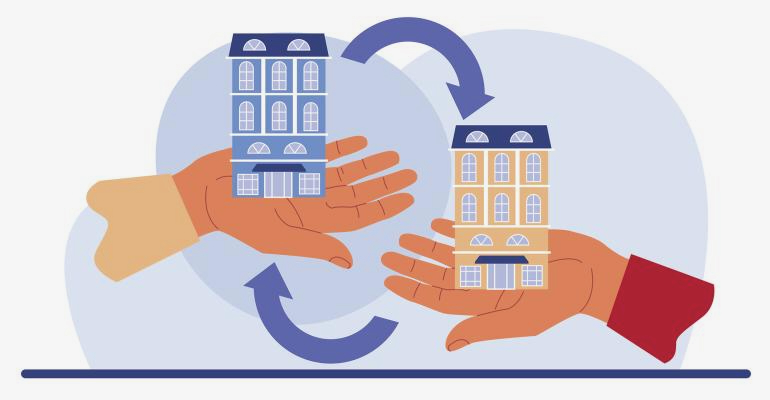
We frequently receive inquiries about Section 1031 exchanges. This section of the Internal Revenue Code presents a valuable opportunity to postpone tax payments on profits from the sale of investment property, provided that the proceeds are reinvested in a new property and all code requirements are met. When executed correctly, real estate investors can preserve their investment gains and delay their capital gains tax obligation, potentially indefinitely.
Here are the key points to understand:
1. 1031 Exchanges: Deferred Taxes, Not Tax Exemptions
By transferring the basis from one investment property to another, you retain the gain for future recognition. Upon the eventual sale of the replacement property (outside of a subsequent exchange), both the initially deferred gain and any additional gain from the sale of the replacement property are liable to capital gains tax.
2. Potential for Indefinite Tax Deferral
When you transfer the basis from one investment property to another, you preserve the gain for recognition later. Upon the eventual sale of the replacement property (not part of a later exchange), the original deferred gain plus any additional gain from the sale of the replacement property is subject to capital gains tax. However, if the property passes to your heirs, they receive a step-up basis, and will never have to pay the accumulated gain, depending on the amount accumulated, this method could be used to lawfully avoid paying a significant amount to the IRS. There is no limit on the number of 1031 exchanges you can do, allowing you to roll the deferred gains on an investment property over and over again, and potentially even pass the real estate investments to your heirs, thereby avoiding the accumulated gain altogether.
3. Primary Residences are Not Eligible for Section 1031
A Section 1031 exchange is exclusively applicable to investment and business property, and is not restricted to real estate investments. It can also be utilized for personal property, such as valuable artwork or gold coins. However, certain types of property are explicitly excluded from Section 1031 treatment, including stock shares, equity securities in a corporation, partnership interests, and shares of trusts.
4. Exchange Must Be “Like-Kind”
In a 1031 exchange, the properties being exchanged must be of "like-kind," with a broad definition that pertains to their use. Both the original and replacement properties must be utilized for investment or business purposes. It is not necessary to exchange a specific type of property for an identical one. For instance, you can exchange an apartment building for undeveloped land or an office building (or multiple buildings), as long as they are all investment properties.
5. Beware of Strict Time Limits
In some cases, a 1031 exchange involves a simultaneous sale and purchase, but this is not mandatory. However, you must adhere to two strict time limits, or you will be required to pay taxes on your gain:
- You are required to identify potential replacement properties in writing to the qualified intermediary who is holding the proceeds from the sale of the old property within 45 days of the sale; and
- The replacement property exchange transaction, which is the closing on the purchase, must be completed no later than 180 days after the sale of the exchanged property, or the due date (with extensions) of the income tax return for the tax year in which your relinquished property was sold, whichever comes first.
6. You Cannot Touch the Cash From the Sale of Your Property
Assuming control of the proceeds from the sale of your asset before the exchange is finalized will likely invalidate the entire transaction and immediately subject the gain to taxation. The most effective method to prevent receiving the proceeds is to engage a qualified intermediary to hold the funds until the exchange is concluded.
7. Scale Is Significant
The size or value of the investment in the replacement property must be equal to or greater than the net proceeds received from the sale of your property. Any net proceeds not reinvested will be treated as capital gains for tax purposes. The value of liabilities assumed with the replacement property, such as its mortgage amount, must match or exceed the liabilities you relieve yourself of when selling your property.
8. You have the option to designate multiple replacement properties.
IRS regulations permit the identification of more than one replacement property. You can identify up to three properties, regardless of their fair market value, as long as you close on one of them within the 180-day period. Alternatively, you can identify any number of properties, provided that their combined fair market value at the end of the identification period does not exceed 200% of the fair market value of the old property as of the transfer date.
The 1031 Exchange is often hailed as one of the most potent wealth-building tools remaining accessible to taxpayers. Considering that capital gains taxes generally range from 15% to 30%, it's evident why its utilization has been a significant component of the success strategy for many investors. If you have inquiries about this or any other facet of the buying or selling process, feel free to reach out to us for guidance from a real estate agent.
Categories
Recent Posts

GET MORE INFORMATION
