

Turning Boston’s Commercial Tax Shortfall into a Growth Engine
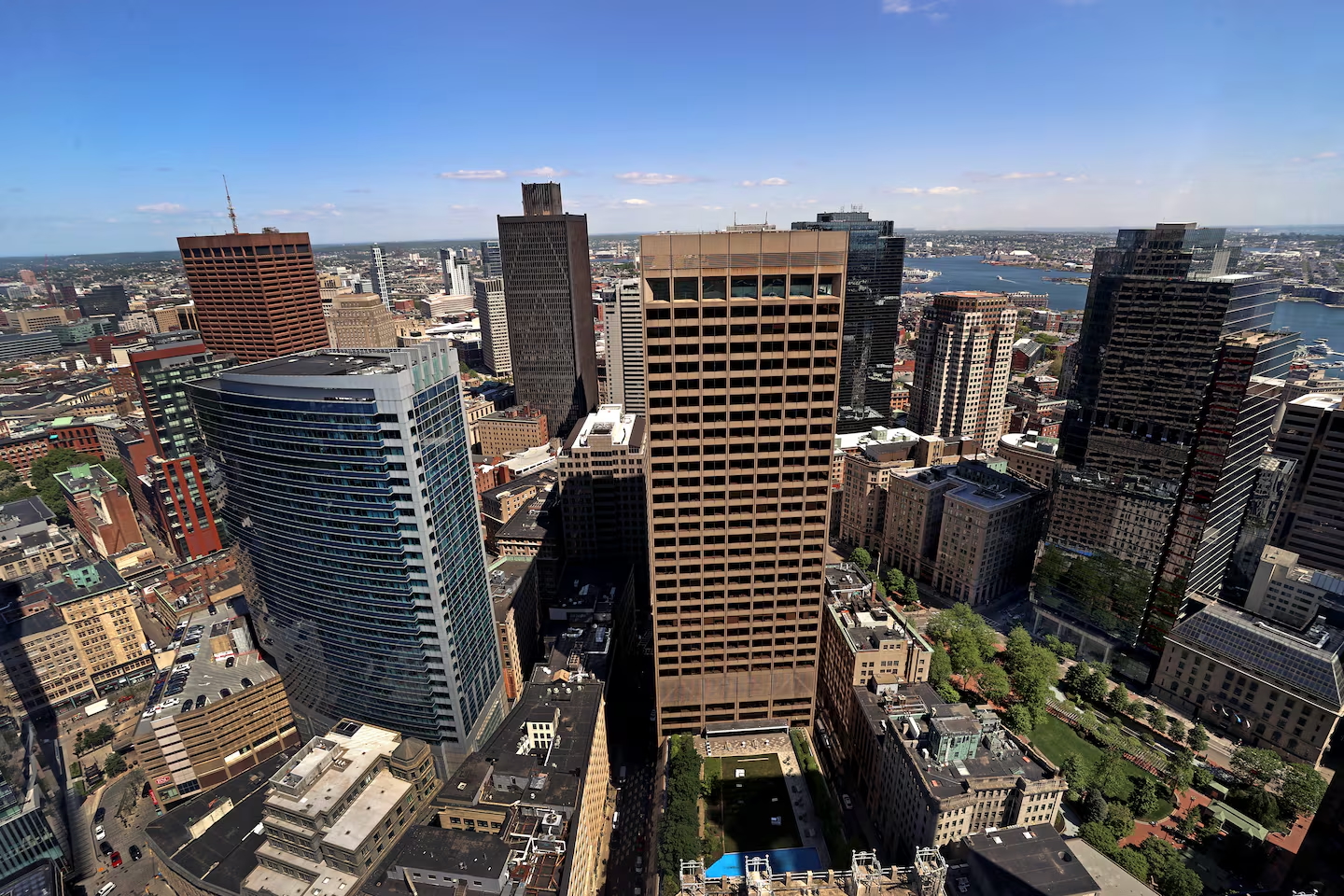
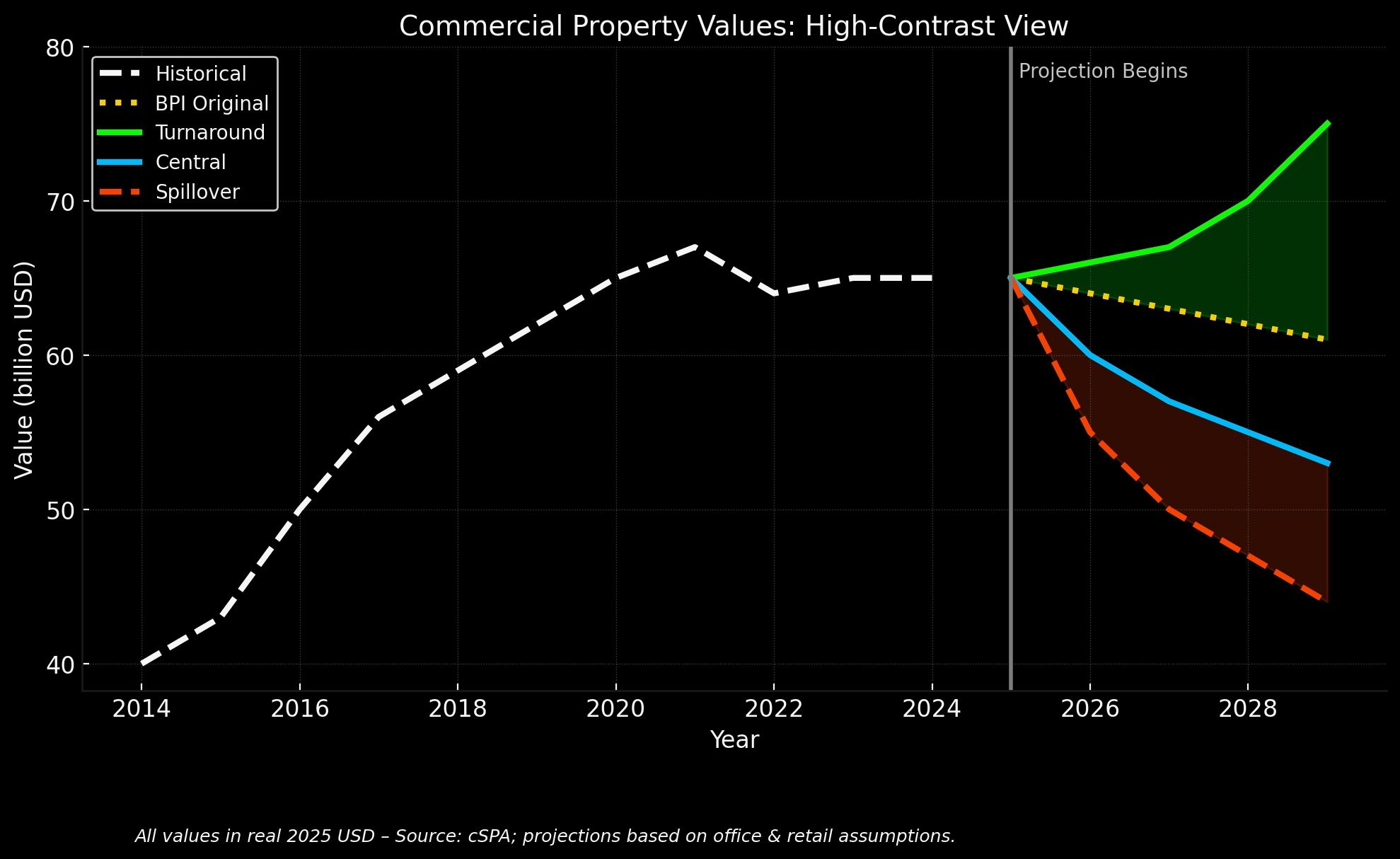
Boston’s fiscal landscape is at a crossroads. A recent projection warns of up to $1.7 billion in lost commercial tax revenue over the next five years—driven by a 35–45% drop in downtown office valuations.¹ Without intervention, residents could face higher taxes or cuts to vital services like public safety, parks, and transit. But this challenge also presents a unique opportunity: leverage underused office buildings to fuel equitable growth.
The Root of the Decline
-
Remote work’s rise: Hybrid and fully remote models have hollowed out weekday office occupancy, leaving many towers underutilized.
-
Historic parallels: In some pockets, assessed values have already tumbled to levels not seen since the 2008 recession.²
-
Budget impact: Commercial property taxes account for roughly one-third of Boston’s operating budget. A prolonged slump threatens to strain municipal finances.
Adaptive Reuse: A Strategic Response
Rather than defaulting to austerity, Boston can employ adaptive reuse—repurposing vacant offices into mixed-use assets that generate new revenue streams and address the housing crunch:
-
Mixed-income housing: Incorporate market-rate units alongside affordable apartments to diversify the tax base and meet demand.
-
Community services: Convert lower floors into childcare centers, health clinics, or nonprofit incubators.
-
Innovation hubs: Allocate space for labs, co-working, and small-business accelerators to spur job creation.
-
Retail & amenities: Activate street-level storefronts to boost foot traffic and support local entrepreneurs.
Case Study: Cambridge Affordable Housing Overlay
Cambridge’s success with the Affordable Housing Overlay illustrates what’s possible. At 52 New Street, Just A Start is developing a 106-unit, energy-efficient project that blends supportive services with sustainable design. By offering clear zoning guidelines and streamlined approvals, the city catalyzed private investment in a once-stagnant commercial block.³
Incentive Models to Move the Needle
To replicate and scale this success, Boston should consider:
-
Adaptive Reuse Tax Credits
-
Offset renovation costs and reduce developer risk.
-
-
Overlay Zoning Districts
-
Pre-approve mixed-use conversions in targeted neighborhoods.
-
-
Fast-Track Permitting
-
Guarantee review timelines to accelerate project delivery.
-
-
Public-Private Partnerships
-
Share infrastructure upgrades (e.g., energy retrofits) and align on community benefits.
-
-
Transparency & Data
-
Publish vacancy rates and conversion progress to guide investment decisions.
-
Opportunities for Real Estate Professionals
For residential agents and developers, this pivot unlocks new markets:
-
Fresh listings: “Live-work” lofts, micro-units, and community-oriented buildings.
-
Expanded buyer pools: Attract residents seeking central-city living with modern amenities and social infrastructure.
-
Enhanced value propositions: Market properties with built-in childcare, green spaces, or maker-spaces as differentiators.
Engaging Policy & Planning Stakeholders
This effort isn’t solely about bricks and mortar—it’s about placemaking. Municipal leaders, planners, and community groups must collaborate on:
-
Defining priority zones where conversions deliver the greatest social and fiscal impact.
-
Setting clear benchmarks for affordable and workforce housing units.
-
Allocating grants or loans for early-stage feasibility studies.
Conclusion & Call to Action
Boston’s commercial tax shortfall is a wake-up call—and a catalyst. By transforming empty offices into dynamic, mixed-use developments, we can shore up municipal revenues, expand housing options, and foster resilient neighborhoods.
Which underperforming sites do you think are ripe for conversion? What incentive structures would make you invest today?
Drop your insights below or reach out directly. Boston’s next growth chapter depends on our collective vision—and the strategies we deploy now.
Categories
Recent Posts




GET MORE INFORMATION
