

3 Smart Reasons to Buy Before the Spring Market Heats Up

If you’re planning to buy this year, you’re probably eyeing the spring market—hoping for slightly lower rates and more homes to choose from.
But here’s what many buyers overlook: moving just a few weeks sooner can mean lower costs, less competition, and a far smoother experience.
Here are three reasons why buying earlier than planned could actually put you ahead.
1. Waiting for Lower Rates Could Backfire
Many buyers are holding off, hoping mortgage rates will drop even more. But that strategy often doesn’t pay off.
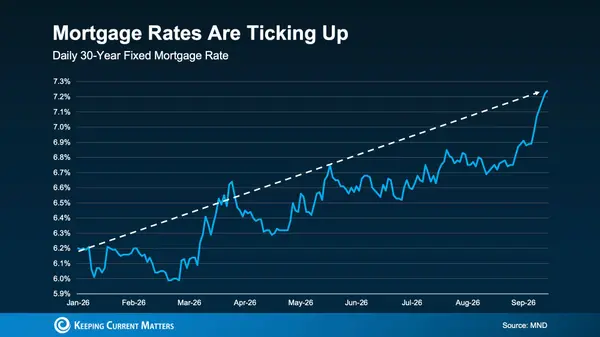
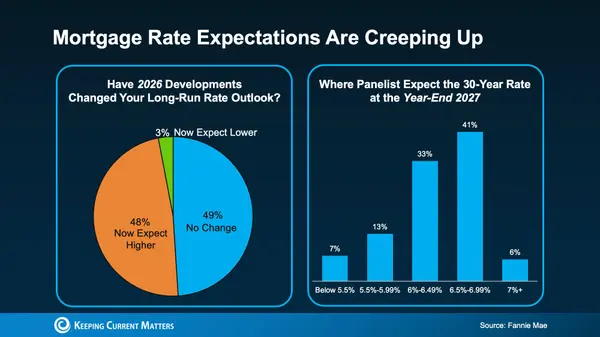
Why? Because most industry experts agree: rates are expected to stay relatively steady. Current forecasts consistently project rates to remain in the low-6% range this year.
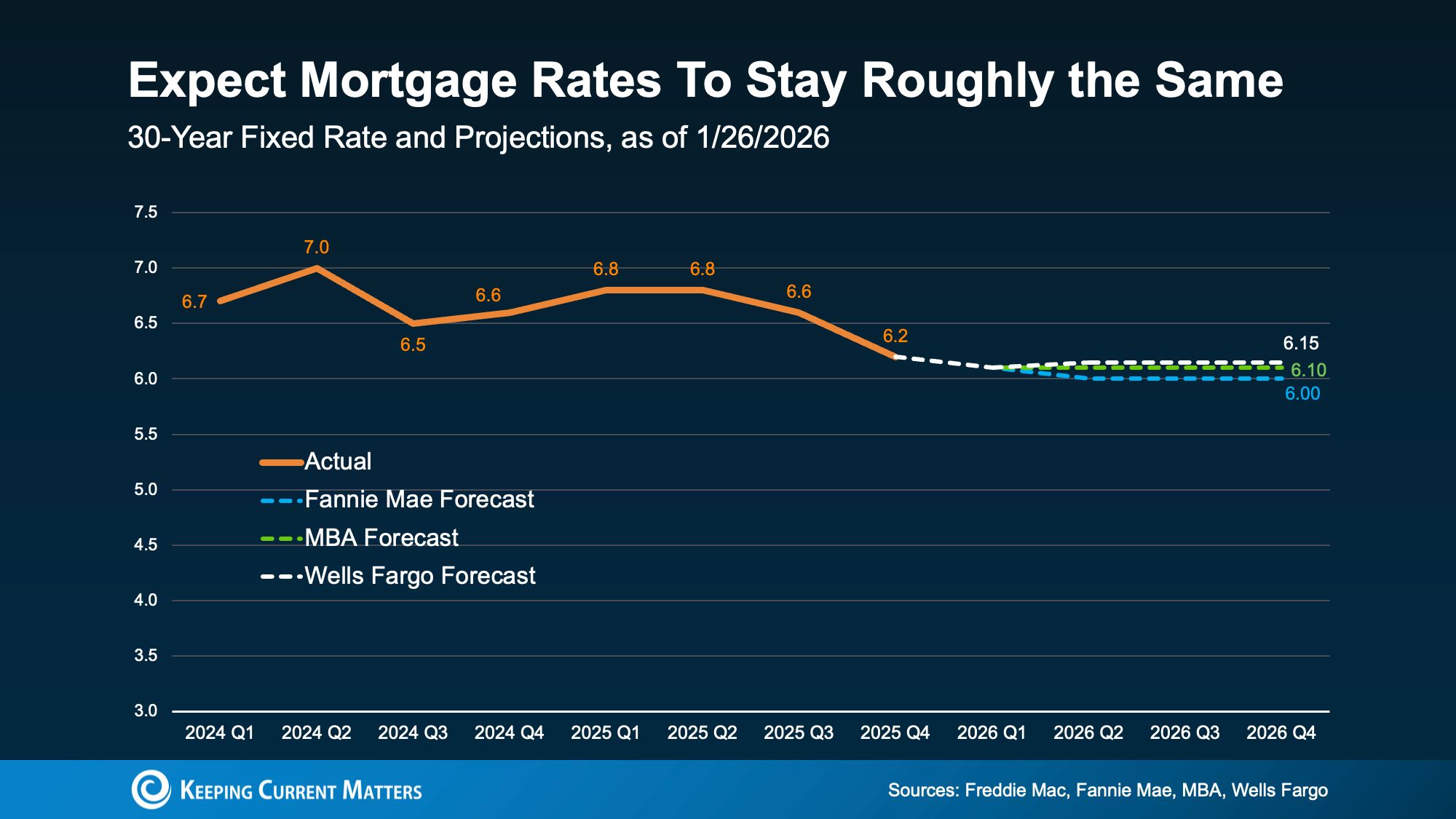
That’s actually good news—especially when you look at how far rates have already come down. Over the past year, mortgage rates have dropped by about a full percentage point. For many buyers, that’s already created more affordability than they realize.
So why wait a few more weeks—just to invite more competition into the market? You have an opportunity right now. As Chen Zhao of Redfin puts it:
“Buyers should understand that today’s rates are likely close to the floor for the foreseeable future.”
2. Spring Brings More Competition—and More Pressure
There’s a reason the spring market is so popular. But with more buyers comes more stress. When activity picks up, you’re forced to move faster, make quicker decisions, and compete harder—often under pressure. And nobody enjoys feeling rushed into a major purchase.
Buying earlier gives you breathing room. With fewer buyers in the market, homes tend to sit longer, giving you more time to explore options and negotiate confidently.
You can see this clearly in data from Realtor.com. During the winter, homes take about 70 days to sell on average. In the spring, that drops to roughly 50 days. That’s a 20-day swing—and a much faster, more stressful pace for buyers.
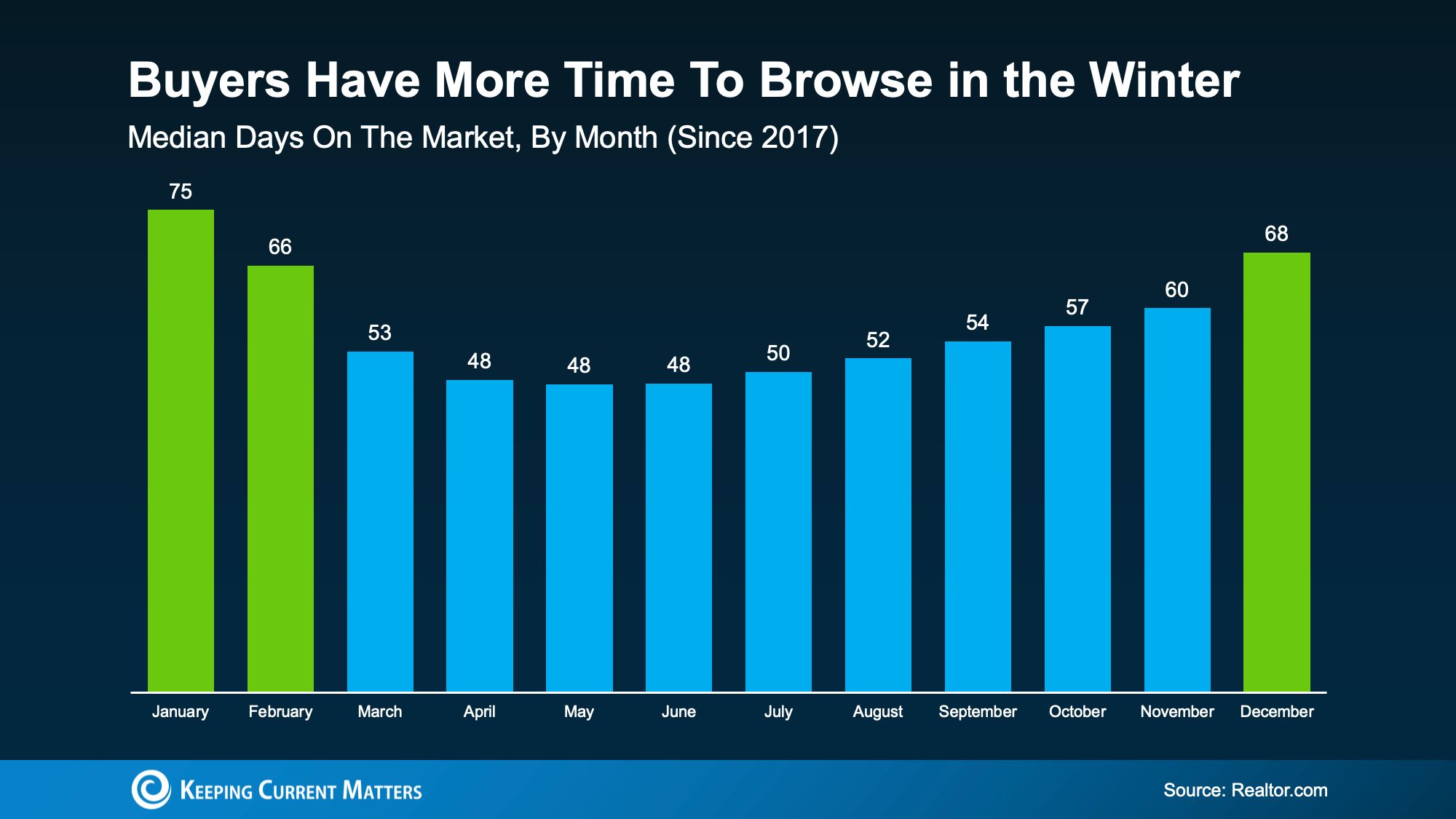
Homes tend to move much faster in the spring and slow down in the winter—which gives early buyers a real advantage before the market becomes rushed and competitive.
3. Rising Competition Usually Means Rising Prices
Here’s a factor many buyers overlook: prices follow demand. When more buyers flood the market, sellers gain leverage—and prices tend to climb. That’s exactly what happens in the spring. According to Bankrate:
“Spring and early summer bring the highest buyer activity, which often pushes home prices higher due to increased demand.”
And the numbers back this up. Data from the National Association of Realtors shows that in 2025, buyers who purchased early in the year saved roughly $30,000–$35,000 compared to those who bought during peak spring and summer pricing. In other words, timing isn’t just about convenience—it can directly impact how much you pay.
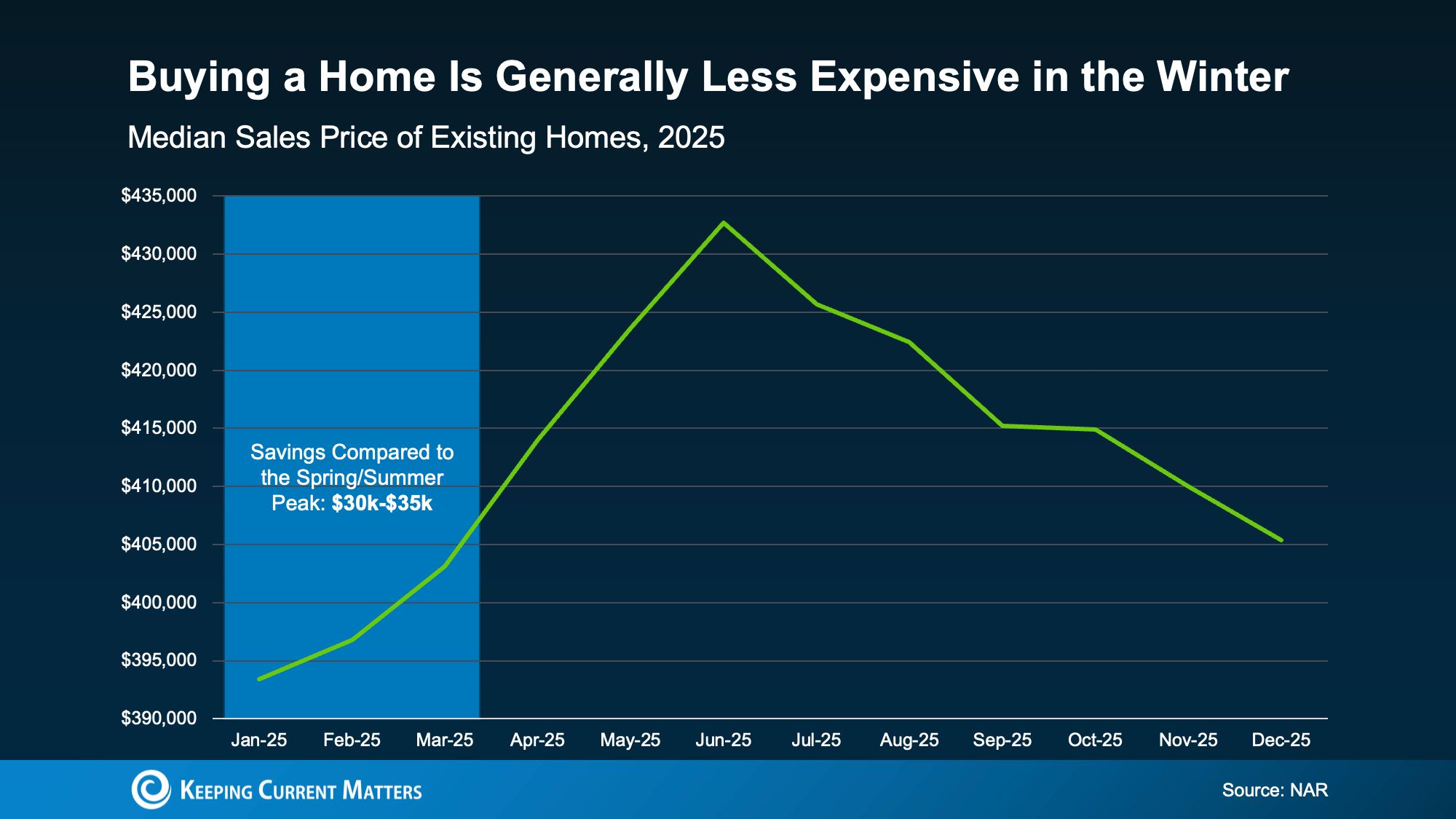
Let’s be real—right now, every dollar counts for most buyers. That’s why moving a few weeks earlier, before prices climb, can make a meaningful difference for both your finances and your peace of mind.
Bottom Line
Buying a few weeks before spring isn’t about rushing. It’s about getting ahead of the market so you can make smart, confident decisions. Acting early gives you more leverage, fewer bidding wars, and a less stressful experience—plus real opportunities to save.
If you’re financially ready and thinking about buying this year, now is the time to start the conversation. Connect with a trusted local agent and put yourself in a strong position before the spring market heats up.
{ "@context": "https://schema.org", "@type": "FAQPage", "mainEntity": [ { "@type": "Question", "name": "Why is buying before spring a smart move?", "acceptedAnswer": { "@type": "Answer", "text": "Buying earlier often means less competition, more negotiating power, and the chance to avoid price hikes that come with the busy spring market." } }, { "@type": "Question", "name": "What if I wait for mortgage rates to drop a little more?", "acceptedAnswer": { "@type": "Answer", "text": "Waiting could backfire. Many experts expect rates to remain fairly steady in the low-6% range this year. Rates have already dropped about a full percentage point from last year, improving affordability for many buyers." } }, { "@type": "Question", "name": "How does competition change in the spring market?", "acceptedAnswer": { "@type": "Answer", "text": "Spring brings a surge of buyers, which can mean more bidding wars and faster-moving listings. Homes often sell about 20 days faster than in winter, leaving less time for thoughtful decisions and negotiation." } }, { "@type": "Question", "name": "Does timing really affect how much I’ll pay?", "acceptedAnswer": { "@type": "Answer", "text": "Yes. Data from the National Association of Realtors indicates early-year buyers in 2025 paid around $30,000–$35,000 less on average than those who waited until spring or summer." } }, { "@type": "Question", "name": "Isn’t it better to have more listings to choose from in spring?", "acceptedAnswer": { "@type": "Answer", "text": "Spring typically has more listings, but each home also draws more attention and competition. Buying a few weeks sooner can help you find a great home at a better price—without the rush." } }, { "@type": "Question", "name": "What’s the bottom line for 2026 buyers?", "acceptedAnswer": { "@type": "Answer", "text": "If you’re financially ready, start your search now. Acting early puts you ahead of other buyers, reduces stress, and improves your chances of securing the right home before the market heats up." } } ] }
Categories
Recent Posts

GET MORE INFORMATION
