

3 Moves That Could Help Lower Your Mortgage Rate

If you’re hoping to buy a home, affordability may be your biggest concern. With mortgage rates rising again, it’s understandable to wonder whether you should wait for them to fall before making a move.
For now, rates are moving in the opposite direction. Data from Mortgage News Daily shows how they’ve changed this year (see graph below):
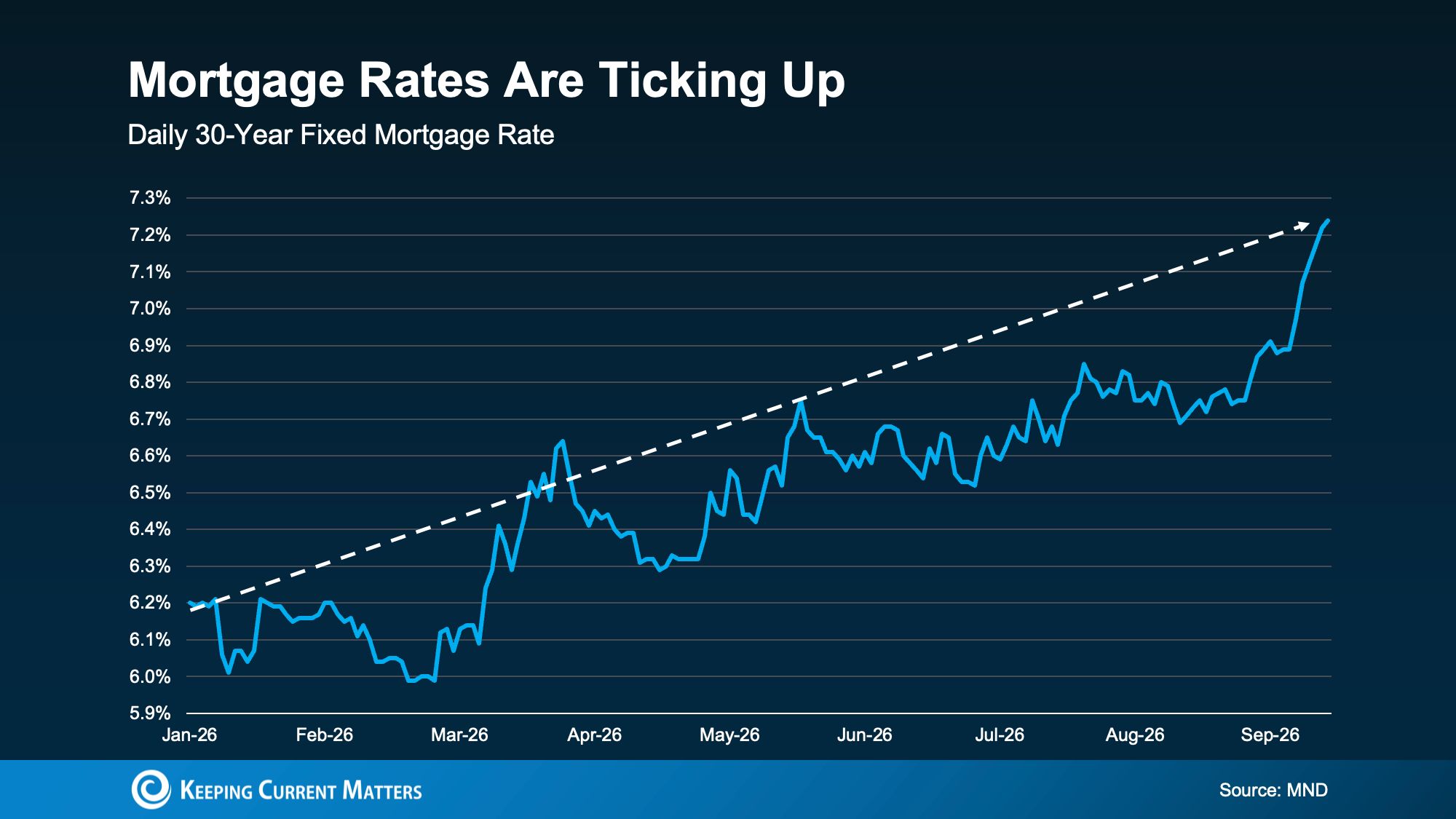
Wondering what’s behind the shift? There are several factors at play.
Mortgage rates respond to a range of factors, including events overseas, economic reports, inflation, oil prices, and decisions by the Federal Reserve. The Fed recently raised its benchmark rate, a move that can also influence mortgage rates. As Danielle Hale, Chief Economist at Realtor.com, explains:
“Mortgage rates were already under upward pressure before the Fed raised its rate, and that pressure appears likely to continue.”
That may be frustrating to hear, but you still have options. You can’t control where mortgage rates go next, but you can influence several factors that determine the rate a lender offers you.
Here are three places to focus.
Strengthen Your Credit Score
Your credit score can affect the mortgage rate you’re offered. Even a modest improvement could lower your monthly payment. As Freddie Mac explains:
“A stronger credit score can give you more loan options and may help you qualify for better terms and a lower interest rate.”
Take steps to keep your credit score strong. If you’re unsure where you stand or what might help improve it, a trusted loan officer can walk you through your options.
Compare Your Mortgage Options
Your mortgage rate depends in part on the loan you choose. Conventional, FHA, VA, and USDA loans have different eligibility rules and rates. A 15, 20, or 30 year term also affects your monthly payment and the total interest you’ll pay. Loan structure matters as well: a fixed rate stays the same, while an adjustable rate may start lower and change later. As Bankrate explains:
“Fixed rate loans often have higher rates than the introductory rates on adjustable rate loans because the lender takes on the risk of future rate increases. FHA, VA, and USDA loans may also offer lower rates because government backing reduces the lender’s risk.”
Talk with a lender about which loan options fit your goals and budget. Compare the rate, monthly payment, upfront costs, and long term tradeoffs before deciding. Getting quotes from more than one lender can also help you see how their offers differ.
Take a Look at New Construction
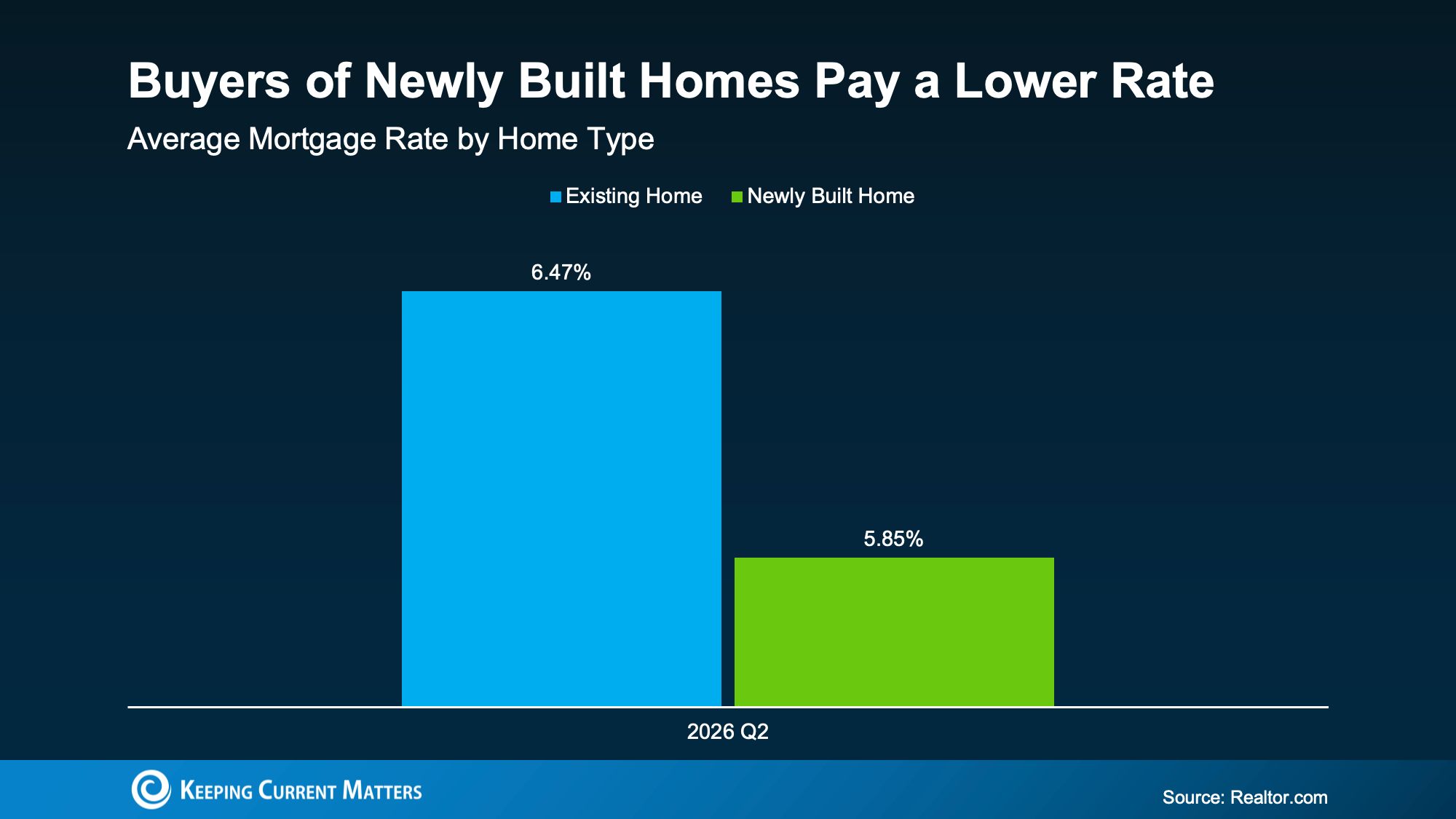
The home you choose could also affect your rate. Some builders offer mortgage rate buydowns to lower buyers’ monthly payments and help sell newly built homes.
According to Realtor.com, buyers of newly built homes secured a lower average rate last quarter than buyers of existing homes (see graph below):
If a lower rate is a priority, ask your agent whether any new construction communities nearby are offering mortgage rate buydowns.
Bottom Line
Mortgage rates may be outside your control, but your credit score, loan choice, and home search can influence the rate you receive. A trusted lender can help you compare offers and understand what you qualify for. When you’re ready, connect with a local real estate agent to find a home that fits your budget.
Categories
Recent Posts




GET MORE INFORMATION
