

Your Home’s Price Point Could Determine How Fast It Sells
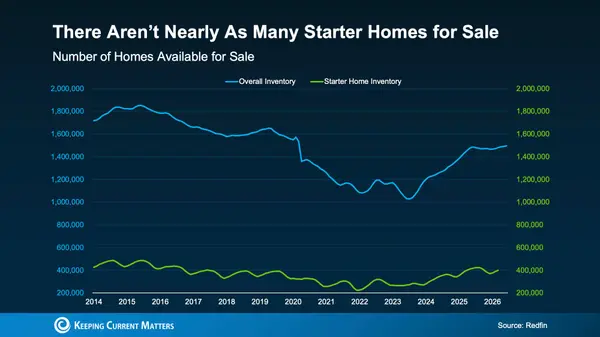
Ask a few people how the housing market is doing, and you’ll likely hear several different answers. That’s because today’s market is moving in two distinct directions, largely depending on price point.
Understanding which side your home falls on can shape every part of your sale—from how you price it to how long it may take to receive an offer. Here’s what sellers need to know.
Higher-Priced Homes Are Selling Faster
Mortgage rates and buyer demand are affecting each segment of the housing market differently. Recent sales data from the National Association of Realtors (NAR) makes the divide especially clear.
Sales of homes priced below $250,000 fell 2–3% compared to last year, while sales of homes priced above $750,000 increased by double digits (see graph below):
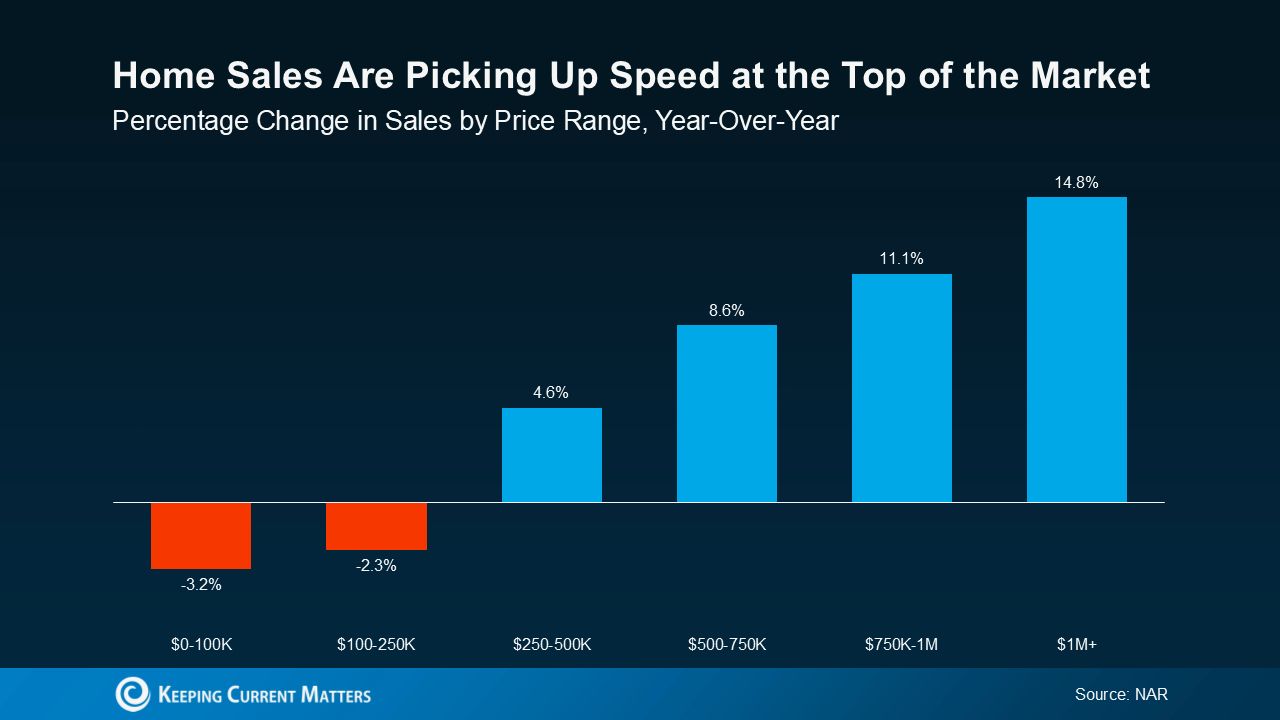
What’s driving the divide? Higher mortgage rates and several years of rising home prices have made entry-level properties less affordable, particularly for first-time buyers. As a result, demand at the lower end of the market has cooled.
Meanwhile, buyers shopping for higher-priced homes are often less affected by elevated rates and have greater financial flexibility, supported in part by stock market gains and the equity they’ve built in their current homes.
That’s the key difference. Lower-priced homes are still selling, but they may take longer because today’s mortgage rates have reduced the number of buyers who can comfortably afford their first home.
That’s why the right pricing strategy and strong presentation matter more than ever, especially in this price range. Rather than starting high to test the market, price your home competitively from day one, make sure it looks its best online and in person, and work with an agent who can reach the buyers actively searching in your range. That’s how you attract serious interest and demonstrate that your home is worth the asking price.
Why Some Homes Sell Quickly While Others Linger
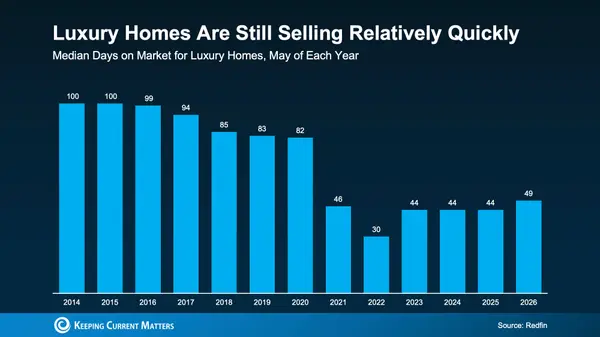
The pace of home sales is also changing by price point, and the difference is becoming increasingly clear. Luxury homes traditionally took much longer to sell than starter homes, but according to Redfin, that gap has nearly disappeared (see chart below):
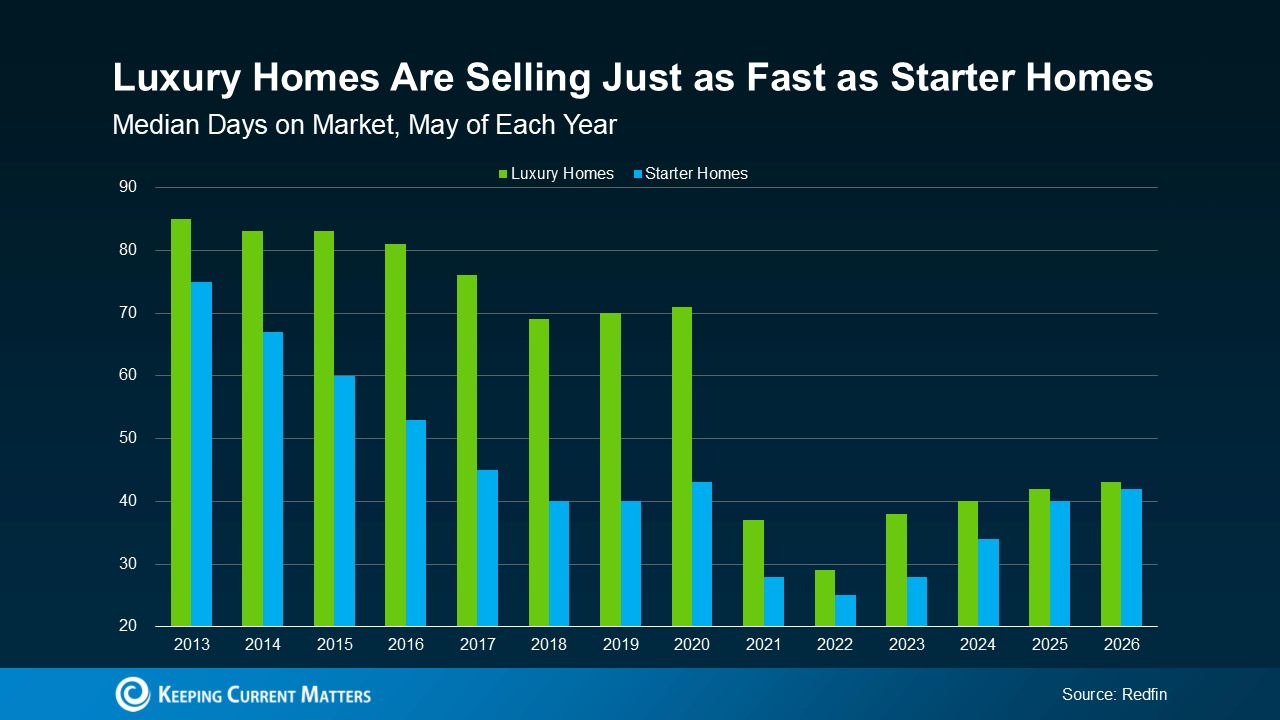
Well-qualified buyers are acting quickly when a properly priced home becomes available in their price range. As Zillow explains:
“The U.S. housing market is moving in two different directions, with luxury homes selling faster than last year as inventory tightens and bidding competition increases.”
If your home falls within that price range, it could sell more quickly than you anticipate—and may even attract multiple offers. That level of buyer demand should shape how your property is priced and marketed from the very beginning.
Regardless of where your home fits in today’s market, understanding your position early can help you prepare properly and achieve a smoother, more successful sale.
What This Market Means for Home Sellers
If you’re considering selling an entry-level home, there’s no reason to panic. Properties in this range are still selling, though they may take longer than they did last year. That makes accurate pricing and strong presentation especially important in today’s market.
If you’re selling a move-up or luxury home, current conditions may work more in your favor. Buyers at these price points are often less affected by higher mortgage rates, which keeps demand active and creates stronger competition for desirable, well-priced properties.
No matter which segment your home falls into, its price point will play a major role in how quickly it sells and the final price it commands.
Bottom Line
Your home’s price range matters more than the broad national headlines when it comes to today’s market. A knowledgeable local real estate agent can show you where your property fits, explain the buyer demand in your segment, and create a pricing strategy designed to achieve the best combination of timing and price.
Categories
Recent Posts


GET MORE INFORMATION
