

First-Time Buyers Just Hit a Record Low, Here’s What That Means for the Market
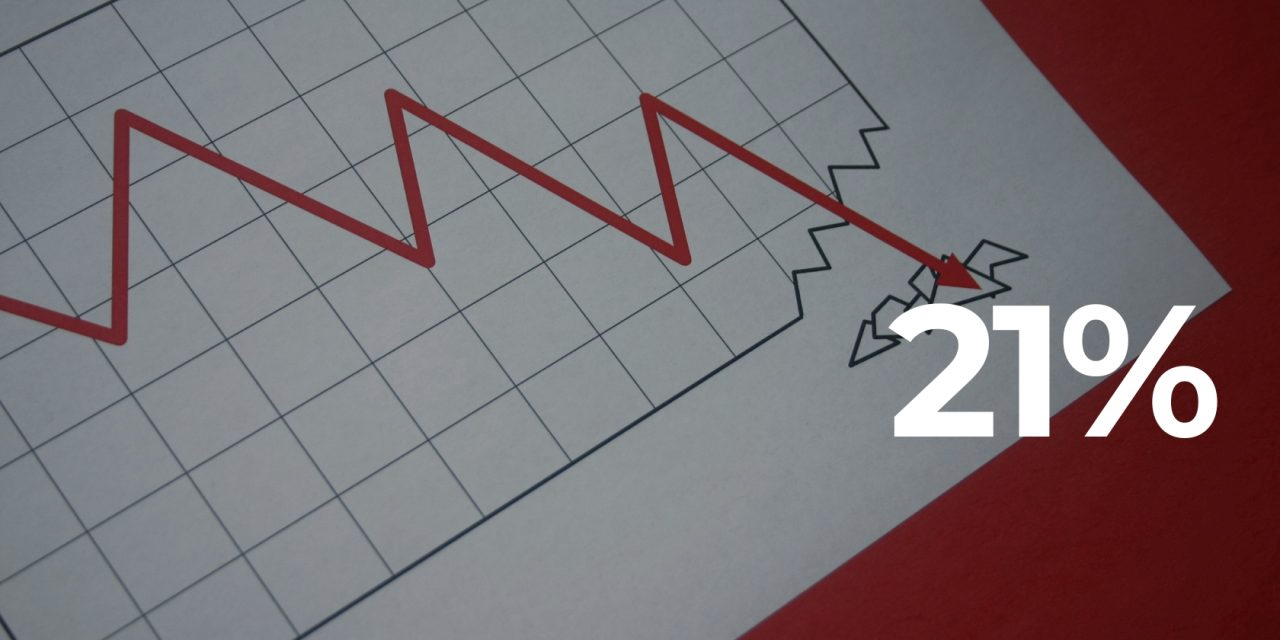
The National Association of Realtors’ 2025 Profile of Home Buyers and Sellers revealed one of the biggest shifts we’ve seen in years: first-time buyers now represent just 21% of home purchases—the lowest share ever recorded. Even more striking, the typical first-time buyer is now 40 years old, a sign of how affordability and limited inventory have delayed homeownership for an entire generation.
This year’s report (covering July 2024–June 2025) paints a clear picture of a market shaped by scarcity, rising costs, and slower mobility. The median age of all buyers reached 59, while repeat buyers averaged 62, with 30% paying in cash. With sellers staying put for a record 11 years, entry-level homes remain in short supply—and those trying to break into the market feel it the most.
A market missing its entry point
First-time buyers have dropped by half since 2007, just before the Great Recession. NAR researchers warn that this decline has long-term consequences: fewer young buyers entering the market means slower turnover, fewer move-up opportunities, and delayed wealth-building for millions of households. As Jessica Lautz of NAR notes, the shrinking pipeline of new buyers means today’s first-timers will build equity later and likely make fewer moves over their lifetime.

A widening divide between buyers
The data highlights a clear separation between those leveraging built-up equity and those trying to start from scratch. Repeat buyers put down a median 23% and often buy with cash. First-time buyers, meanwhile, still put down around 10%, with many relying on savings, retirement funds, or financial help from family. Multigenerational living remains part of the affordability solution for many, though it dipped slightly year over year.
Demographically, first-time buyers are more diverse and more likely to be single, while repeat buyers remain predominantly older and wealthier. The median buyer income rose to $109,000, but first-timers came in lower at $94,400—another signal of the growing affordability gap.
The high cost of waiting
For buyers sitting on the sidelines, delaying homeownership isn’t just inconvenient—it’s expensive. NAR estimates that buying at 40 instead of 30 can cost the average household roughly $150,000 in lost equity on a typical starter home. That’s the real affordability challenge: not just high prices and interest rates, but missed years of wealth-building.
Despite the hurdles, the desire to own remains strong. Among first-time buyers, 64% said their primary motivation was simply wanting a home of their own. But the path to get there is steeper than ever—and increasingly dependent on support systems, accumulated wealth, or creative financing.
{ "@context": "https://schema.org", "@type": "FAQPage", "mainEntity": [ { "@type": "Question", "name": "What percentage of home buyers are first-time buyers in 2025?", "acceptedAnswer": { "@type": "Answer", "text": "First-time buyers now represent just 21% of home purchases, an all-time low according to the National Association of Realtors’ 2025 Profile of Home Buyers and Sellers." } }, { "@type": "Question", "name": "How has the age of first-time buyers changed?", "acceptedAnswer": { "@type": "Answer", "text": "The typical first-time buyer is now 40 years old, a notable increase from previous years and a sign that affordability issues and limited inventory have delayed homeownership for many." } }, { "@type": "Question", "name": "What does this mean for the housing market overall?", "acceptedAnswer": { "@type": "Answer", "text": "With fewer first-time buyers, market turnover slows and entry-level homes remain in short supply, stalling the usual cycle of move-up buying and delaying wealth-building for younger households." } }, { "@type": "Question", "name": "How has the share of first-time buyers changed since 2007?", "acceptedAnswer": { "@type": "Answer", "text": "First-time buyer participation has dropped by half since 2007, before the Great Recession, which points to long-term effects such as delayed equity-building and slower market mobility for an entire generation." } }, { "@type": "Question", "name": "What is the typical down payment for first-time buyers compared to repeat buyers?", "acceptedAnswer": { "@type": "Answer", "text": "Repeat buyers are likely to put down a median 23% and pay cash in 30% of transactions, while first-time buyers typically put down 10% and often rely on savings, retirement funds, or family help." } }, { "@type": "Question", "name": "Is there a demographic shift among first-time buyers?", "acceptedAnswer": { "@type": "Answer", "text": "First-time buyers are more diverse and more likely to be single, while repeat buyers are predominantly older, wealthier, and more likely to buy with equity built from prior homeownership." } }, { "@type": "Question", "name": "How does waiting to buy a home impact wealth-building?", "acceptedAnswer": { "@type": "Answer", "text": "Delaying homeownership can be costly; waiting until age 40 instead of 30 to buy may result in roughly $150,000 less in equity over a typical starter home’s appreciation period, making the cost of waiting substantial for would-be buyers." } }, { "@type": "Question", "name": "What are the main challenges for today’s buyers?", "acceptedAnswer": { "@type": "Answer", "text": "Affordability remains the number one hurdle, compounded by high prices, elevated interest rates, limited inventory, and increasing reliance on family support or creative financing to purchase a home." } }, { "@type": "Question", "name": "What motivates today’s first-time buyers?", "acceptedAnswer": { "@type": "Answer", "text": "Despite the challenges, the desire for ownership remains strong: 64% of first-time buyers said the primary reason for purchasing was simply wanting a home of their own, underlining the enduring appeal of homeownership despite market headwinds." } } ] }
Categories
Recent Posts



GET MORE INFORMATION
