

Talking Real Estate Over Dinner? Here Are 3 Questions to Expect

This season brings more opportunities to gather with family and friends. And lately, it seems like whenever people get together, the conversation eventually turns to the housing market.
One relative is convinced home prices are headed for a major drop. Another has heard foreclosures are on the rise. And before long, someone at the table starts talking about a possible recession.
If you've found yourself asking some of these same questions, you're not alone. With so many conflicting headlines and opinions, it's hard to know what to believe. Let's take a closer look at what the latest data reveals, so you can separate fact from fiction the next time housing comes up in conversation.
“Is a Housing Market Crash on the Horizon?”
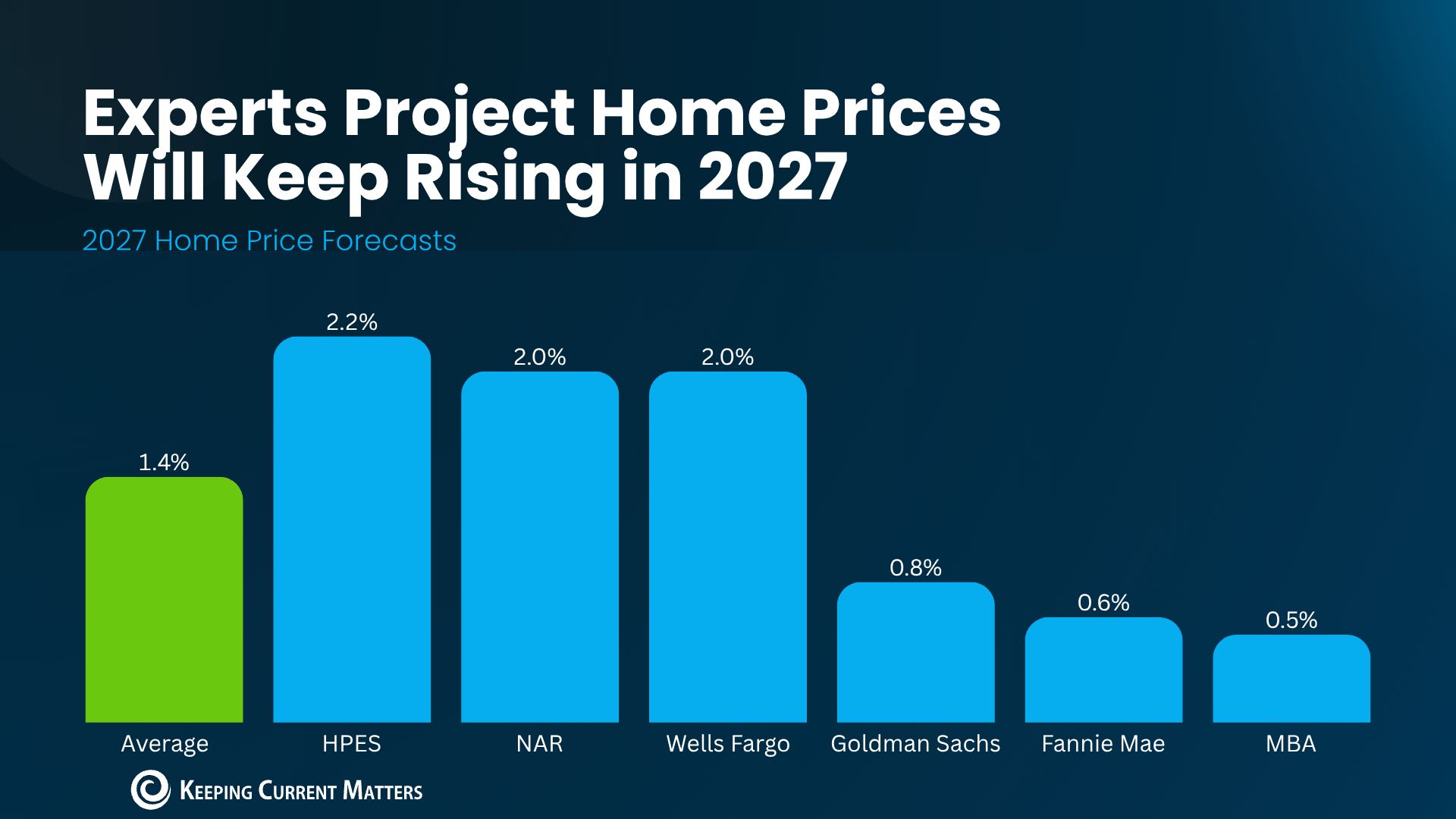
Let's address that prediction of a housing market crash. Despite what some headlines suggest, experts aren't forecasting a nationwide collapse. In fact, home prices are expected to continue rising in 2027.
On average, industry forecasts point to a 1.4% increase in home prices next year (see graph below). While that's a much more modest pace than the rapid appreciation we saw in previous years, it signals continued growth rather than a market crash.
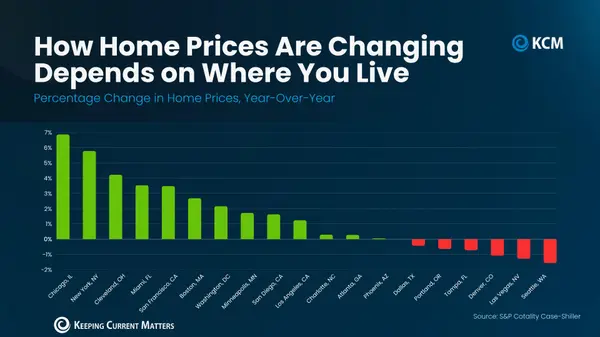
That said, some local housing markets are experiencing price declines. Real estate trends vary by location, and what's happening nationally may not reflect conditions in your area. Lawrence Yun, Chief Economist at the National Association of Realtors (NAR), explains why:
“Home prices are falling primarily in Southern states, where significant new home construction has increased housing supply in recent years. With strong job growth continuing across the region, these declines are likely temporary and could give buyers who were previously priced out another opportunity to enter the market.”
The price declines making headlines and generating buzz on social media are happening in specific markets, and experts expect many of them to be temporary. These localized shifts don't necessarily signal a broader housing market crash.
If you're considering buying or selling, focus on what's happening in your local market rather than relying on national headlines.
“Are We Heading Toward Another 2008 Housing Crisis?”
Next comes the concern about rising foreclosures. While foreclosure activity has increased recently, it's important to put those numbers into perspective. The increase is coming off historically low levels, and according to ATTOM, foreclosure activity remains below pre-pandemic levels.
So, what makes today's housing market different from the conditions that led to the 2008 crash? Logan Mohtashami, Lead Analyst at HousingWire, offers some important perspective:
“Since World War II, the U.S. has experienced numerous recessions, but only one major foreclosure crisis. That crisis was driven by an unprecedented surge in lending between 2002 and 2005, followed by a sharp collapse in credit. Those conditions simply aren't present in today's housing market.”
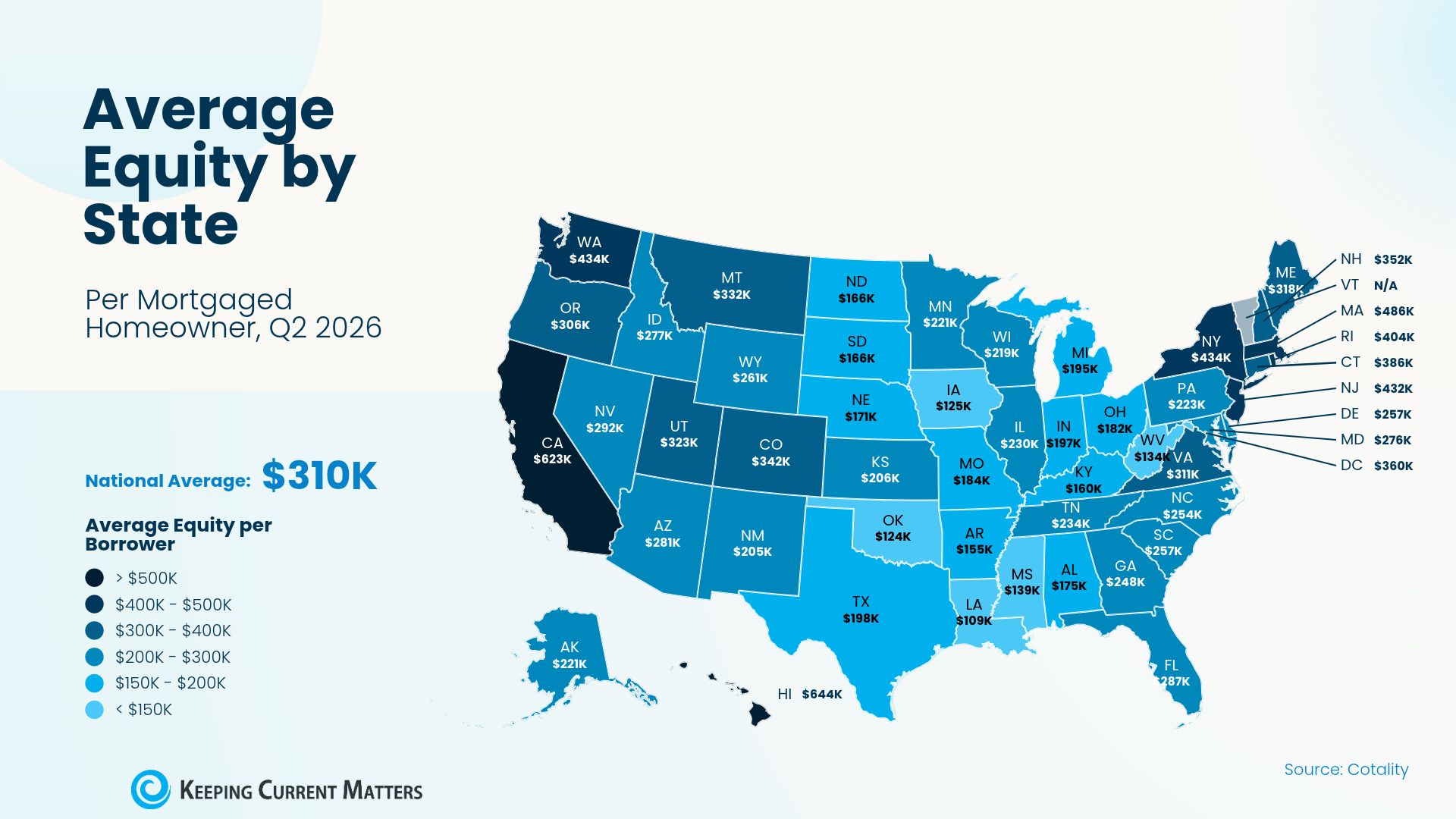
Another major difference between today's housing market and 2008 is the amount of equity homeowners have built. Unlike during the last housing crisis, homeowners today have substantial equity in their properties. In fact, Cotality reports that the average homeowner with a mortgage has more than $100,000 in equity in every state across the country (see map below):
For homeowners facing financial difficulties, having equity often provides an alternative to foreclosure by allowing them to sell their property and potentially walk away with money in their pocket.
“Is an Economic Recession on the Horizon?”
While some family members may be certain a recession is around the corner, economists aren't nearly as convinced. According to The Wall Street Journal's survey of economists, the average estimated probability of a recession is approximately 24%, suggesting most experts don't anticipate one.
And even if the economy does enter a recession, that doesn't automatically mean home values will decline. Historical data from the Federal Housing Finance Agency (FHFA) shows that home prices actually increased during five of the last six recessions (see data and graph below):
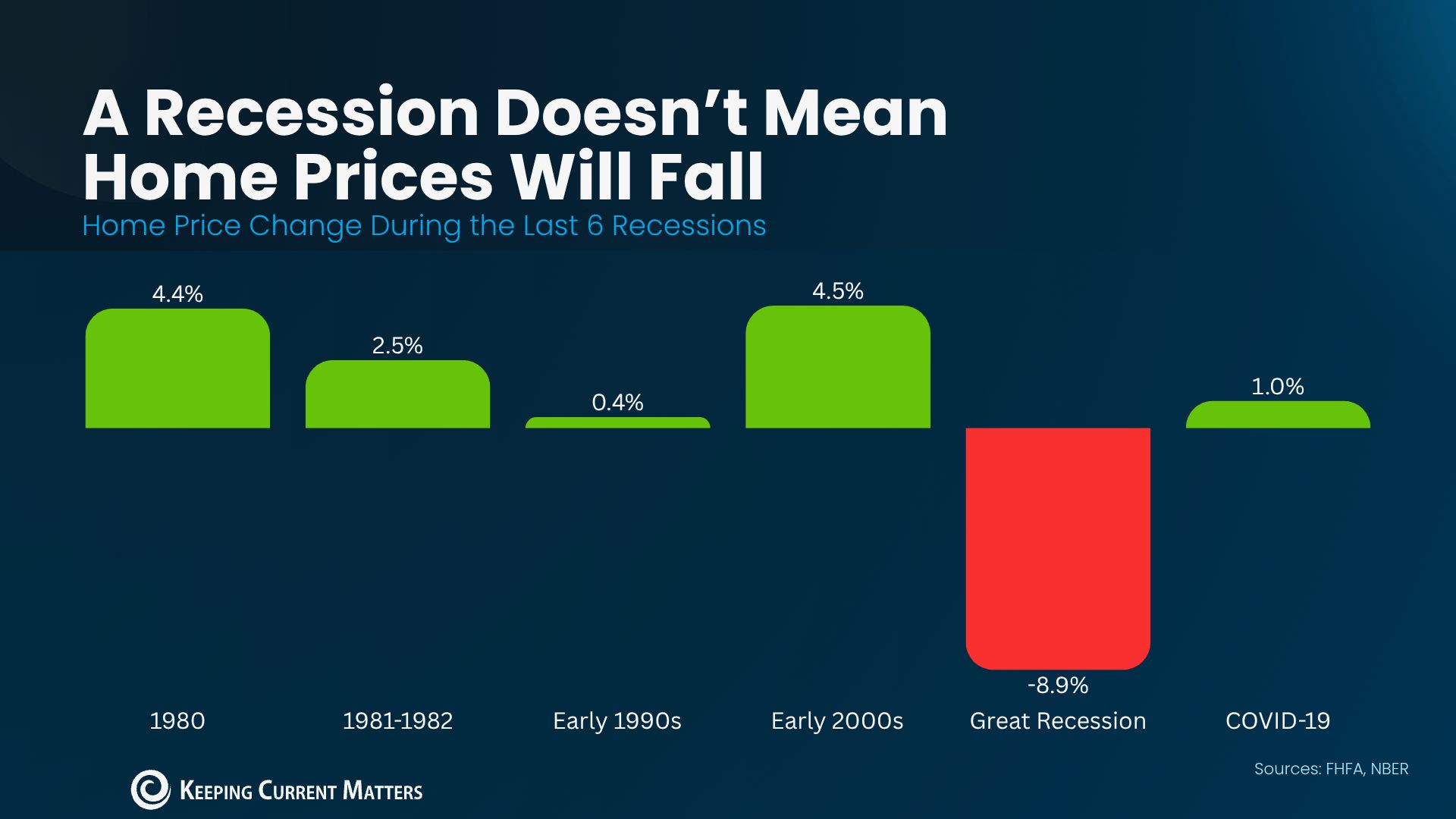
The only exception was the 2008 recession, which was unique because the downturn was driven by a crisis within the housing market itself.
Bottom Line
The next time someone at the dinner table predicts a housing market crash or compares today's conditions to 2008, you'll have the facts to put things into perspective. Home prices aren't experiencing a nationwide collapse, foreclosure activity remains relatively low, and even a recession doesn't necessarily mean declining home values.
If buying or selling a home in 2027 is part of your plans, let's connect. I'll help you understand what's happening in your local market so you can make informed decisions based on real data, not alarming headlines.
Categories
Recent Posts


GET MORE INFORMATION
