

Are Home Prices Rising or Falling? Here's What You Need to Know
Whether you already own a home or are thinking about buying one, home prices are likely top of mind. But with conflicting headlines, understanding what’s actually happening in today’s housing market can be confusing.
One report says prices are dropping, while another suggests they’re still rising.
So, what’s really going on? The answer largely depends on your local market. Real estate trends vary from one community to another, and national headlines don’t always reflect what’s happening in your neighborhood.
What Asking Prices Are Telling Us About Today’s Housing Market
Much of the confusion surrounding home prices comes from how asking prices are being reported in the media. While headlines highlight declining asking prices, they often leave out important context, including the role seasonal trends play in the housing market.
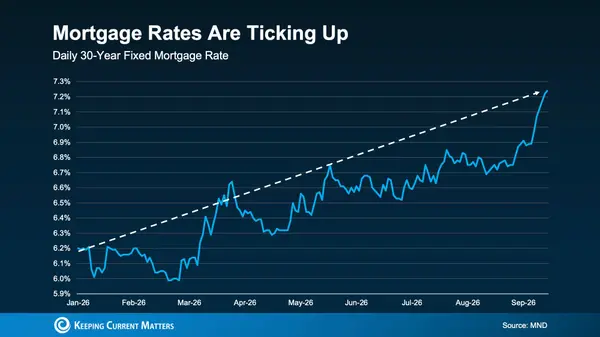
Currently, there are more homes available for sale than at any point since November 2019. With mortgage rates increasing since the spring, homes are also spending more time on the market. As a result, some sellers are adjusting their asking prices to attract buyers and remain competitive.
According to HousingWire Data, the median asking price dropped from $449,000 in early August to $435,000 just two months later (see graph below):
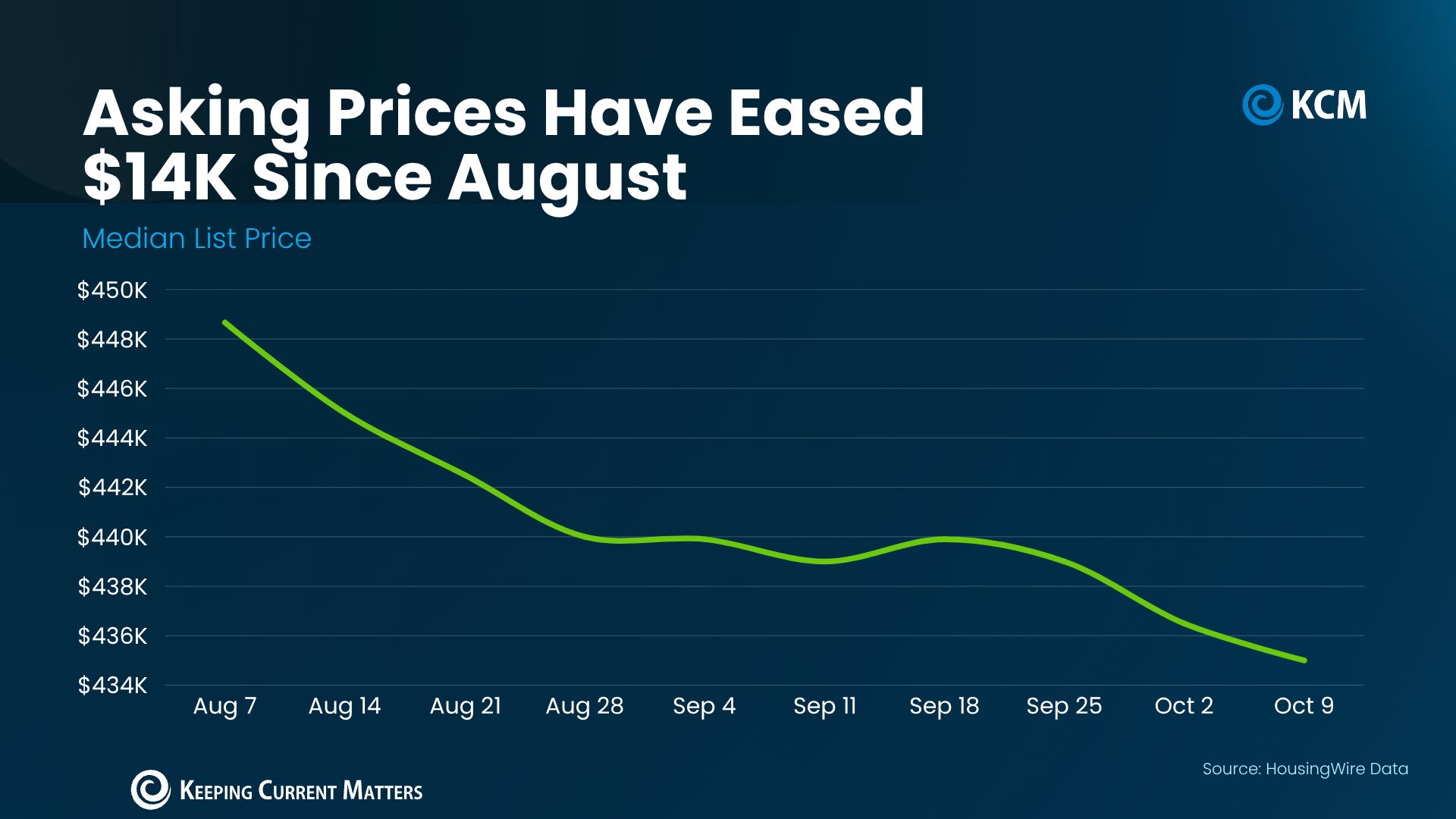
That represents a decline of roughly 3%, but much of that adjustment is typical for this time of year.
As the busy summer housing market winds down, asking prices often soften during the fall. With fewer active buyers, sellers tend to price their homes more competitively to generate interest. Mortgage rates also influence pricing decisions, as sellers adjust their expectations to reflect what buyers can realistically afford. Ultimately, pricing a home correctly is one of the most effective ways to attract buyers and secure a sale.
It's also important to remember that these figures reflect national asking prices, not necessarily what homes are selling for in your local market. Real estate is local, and trends can vary significantly from one community to another. Before drawing conclusions from national headlines, connect with a knowledgeable local real estate agent who can explain what's actually happening in your area.
Why Your Local Housing Market Matters Most
As Realtor.com explains:
“While national housing headlines may point toward a shifting market that favors buyers, what’s actually happening depends largely on your location and the type of home you’re looking for. Local market conditions can differ significantly from national trends, especially when considering price points, property types, and how individual markets have evolved in recent years.”
The latest data from the S&P Cotality Case-Shiller Index highlights just how much housing market trends can vary by location. Over the past year, home sale prices in Chicago increased by nearly 7%, while Seattle experienced a decline of approximately 1.6%. That represents a difference of almost 9 percentage points between two major housing markets (see graph below):
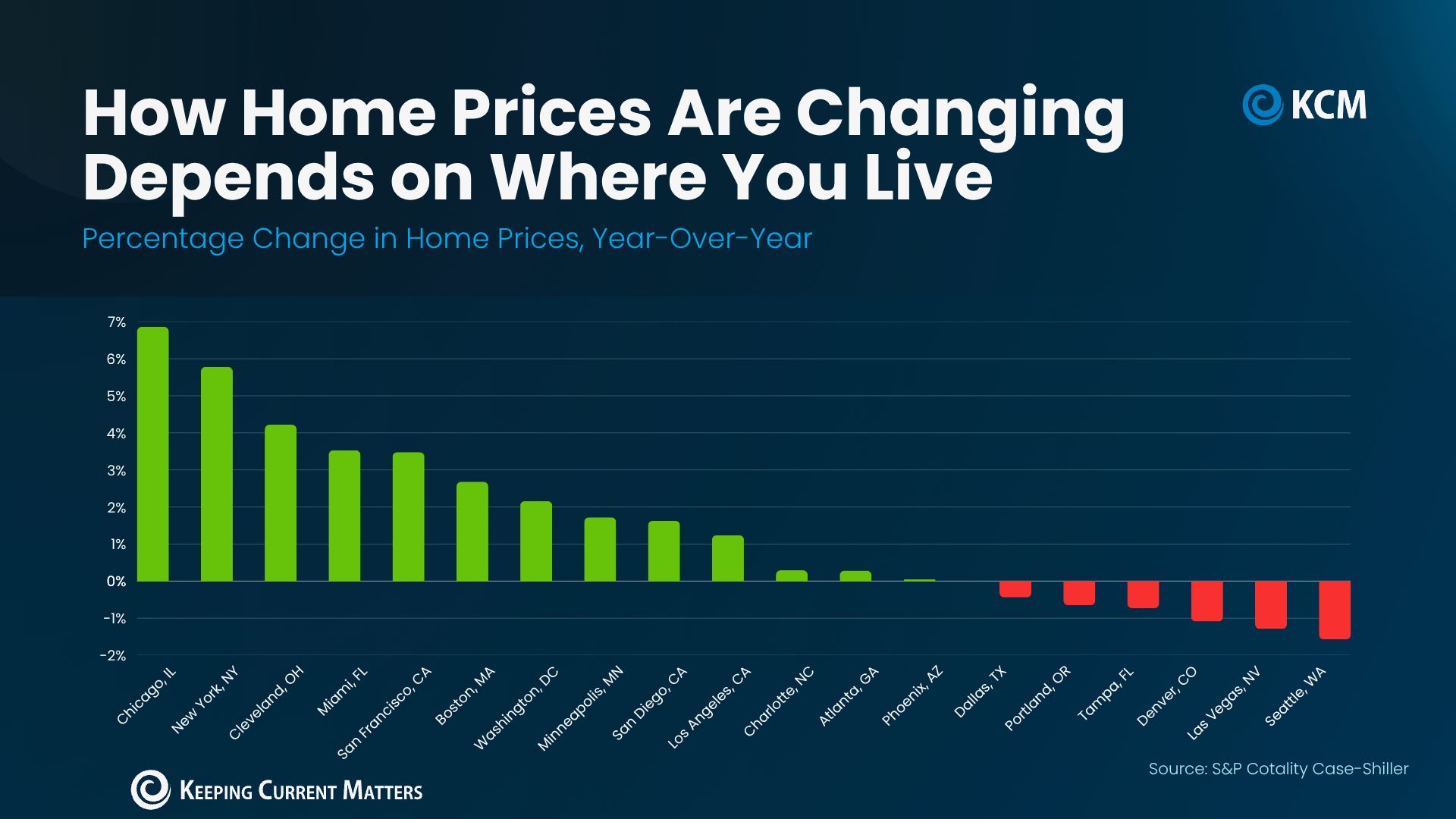
These differences can have a significant impact on your real estate strategy. If you're selling in New York, where home prices have climbed nearly 6%, you may have less pressure to reduce your asking price. On the other hand, buyers in markets like Denver or Las Vegas may have greater negotiating power and more opportunities to secure favorable terms.
Why a Housing Market Crash Is Unlikely
If recent price declines in certain housing markets have you concerned about a potential housing market crash, it's important to put those numbers into perspective. Even in major metropolitan areas experiencing price decreases, those declines have been 2% or less. That's nowhere near the dramatic downturn we saw in 2008. And as the graph above illustrates, more cities are experiencing price growth than price declines.
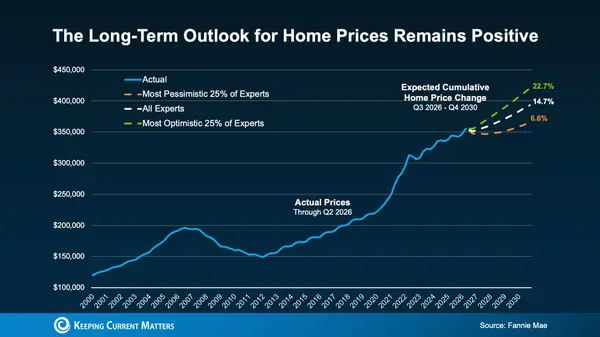
Historically, home values have demonstrated strong long-term appreciation, despite occasional market corrections. According to the Federal Housing Finance Agency (FHFA), national home prices have increased year-over-year in every quarter since 2012. Looking at the bigger picture, a home purchased for $100,000 in 1991 would be worth approximately $436,000 today, even after accounting for the 2008 housing market crash (see graph below):
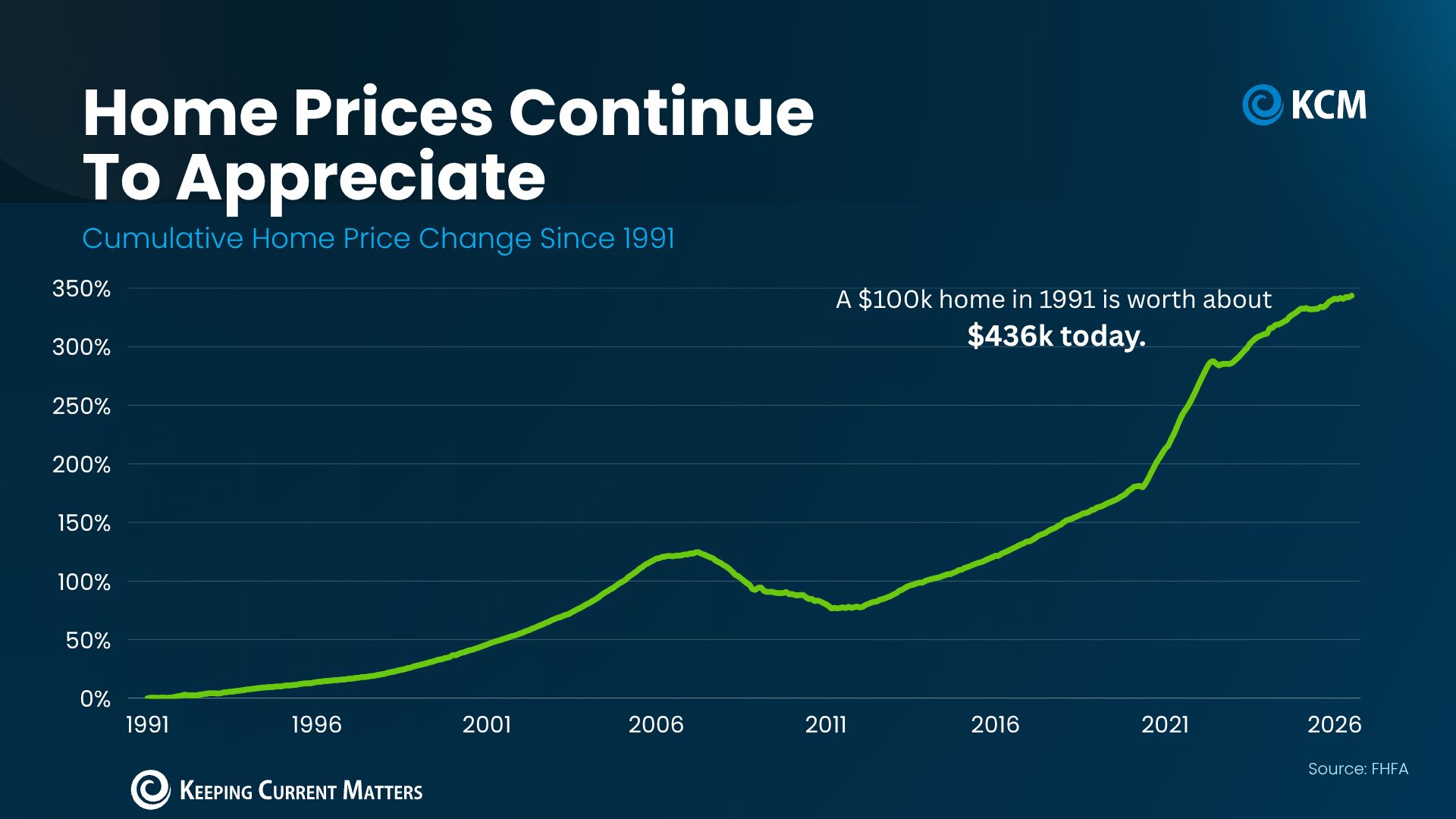
These modest price declines may be temporary, particularly in markets that experienced rapid appreciation during the pandemic. Rather than signaling a major downturn, these adjustments suggest the housing market is gradually returning to more balanced conditions. And historically, a healthy, stable housing market has supported steady home price appreciation over the long term.
Bottom Line
National real estate headlines don't always reflect what's happening in your local housing market. Whether you're buying or selling, understanding neighborhood trends, recent sales, and current market conditions is essential to making informed decisions. Working with an experienced local real estate agent can help you navigate the market, price your home competitively, or make a strong offer with confidence.
Categories
Recent Posts
GET MORE INFORMATION
