

Fed Rate Cuts vs. Mortgage Rates: What’s the Connection?

You’ve likely seen the headlines about the Federal Reserve (the Fed) raising interest rates again. If you’re thinking about buying or selling a home, you may be wondering how those decisions could affect your plans.
It’s a common misconception that the Fed directly controls mortgage rates. While that’s not exactly how it works, the Fed’s actions can influence where mortgage rates are headed.
So, what does this mean for you? The months ahead may bring some uncertainty, but that doesn’t mean your real estate goals need to be put on hold. Understanding what drives rates and having a smart strategy can help you move forward with confidence. Let’s take a closer look.
What’s Driving the Fed’s Decision to Raise Rates?
It largely comes down to inflation. As everyday costs continue to climb, buyers have less purchasing power, while rising labor and material expenses make building new homes more costly.
To help bring inflation under control, the Federal Reserve raises its benchmark short-term interest rate, known as the Federal Funds Rate. But here’s where the confusion begins: many people assume that means mortgage rates automatically rise, too.
- MYTH: The Federal Reserve directly determines mortgage rates.
- REALITY: The Fed influences mortgage rates, but several other economic factors also play a significant role in where they go.
As NerdWallet points out:
“The Federal Reserve doesn’t directly determine mortgage rates, but its decisions can influence them. Mortgage rates are shaped by several economic factors, including inflation, employment trends, and overall economic growth. The Fed’s monetary policy is one of the many forces that can cause rates to rise or fall.”
Here’s an easy way to understand the connection. Mortgage rates generally move in the same direction as the 10-year Treasury yield, which represents the return investors earn when lending money to the federal government for 10 years. That yield fluctuates based on investor expectations about inflation, economic growth, and the overall direction of the economy.
One of the major factors influencing Treasury yields right now is the ongoing conflict in Iran. Rising oil prices have fueled concerns about inflation, making investors more cautious. As a result, developments in the conflict can affect mortgage rates. A resolution could help ease inflationary pressures and potentially bring rates down, although predicting when that might happen remains difficult.
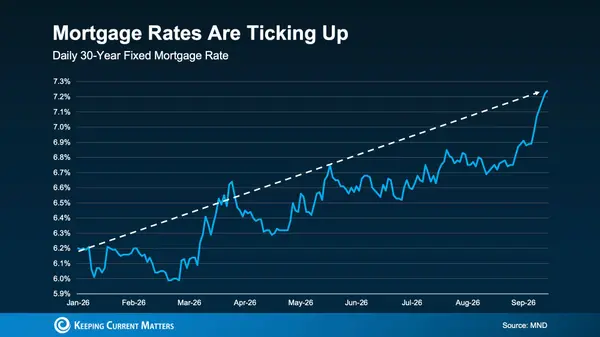
The Federal Reserve also plays a role. When the Fed raises its benchmark interest rate to combat inflation, financial markets respond. Those expectations can push the 10-year Treasury yield higher, often bringing mortgage rates along with it. However, as inflation begins to ease, Treasury yields and mortgage rates may have room to decline. For homebuyers, lower rates could mean improved affordability and greater purchasing power (see graphic below):
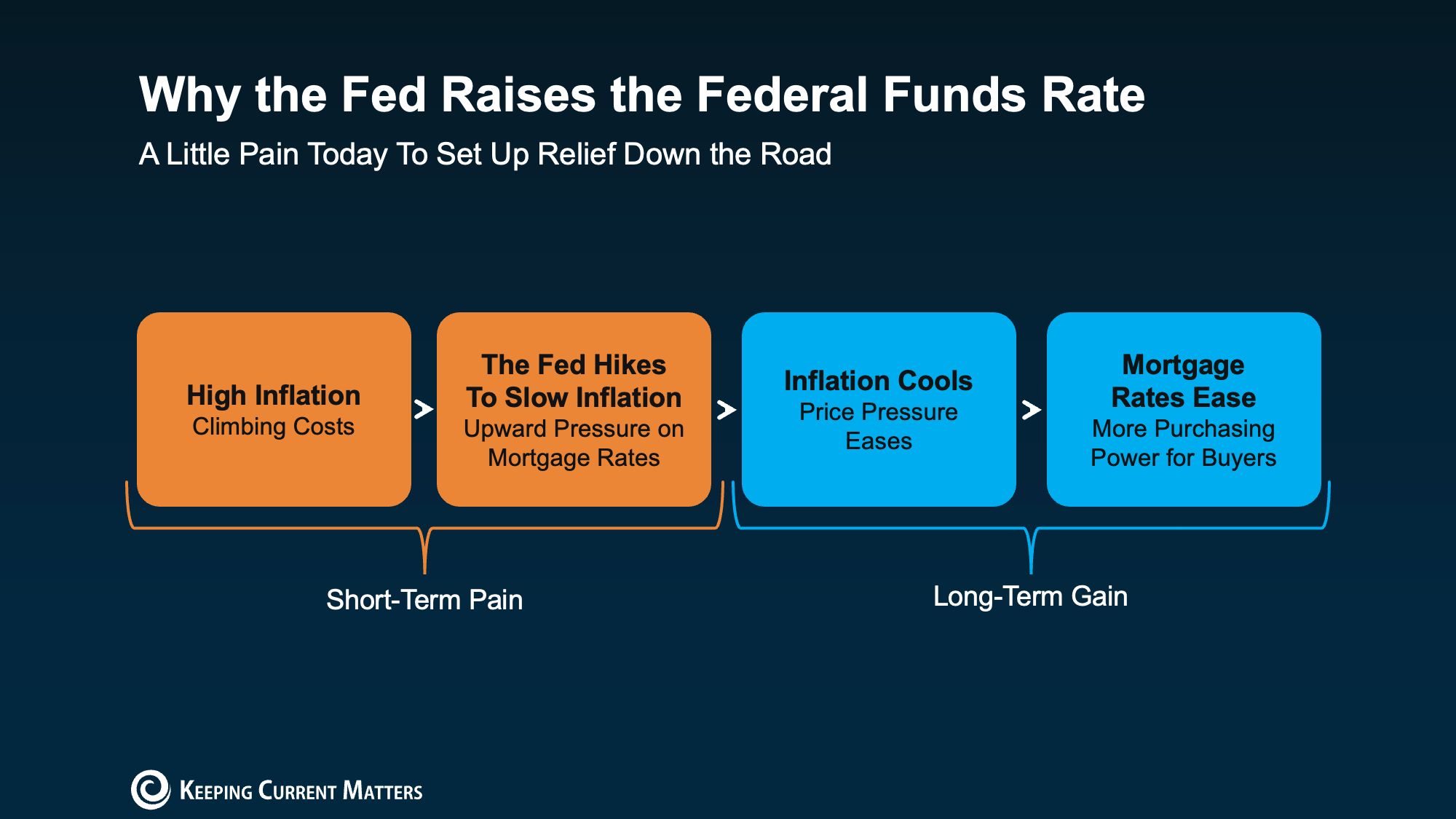
Think of it as some short-term challenges that could pave the way for better conditions ahead. But how long will those challenges last? Much will depend on the Fed’s next moves and how the economy responds.
Another Fed Rate Hike Could Be Coming This Year
According to the CME FedWatch Tool, market expectations suggest there’s more than an 80% probability the Federal Reserve will raise its benchmark interest rate at least once more before the end of 2026 (see graph below):
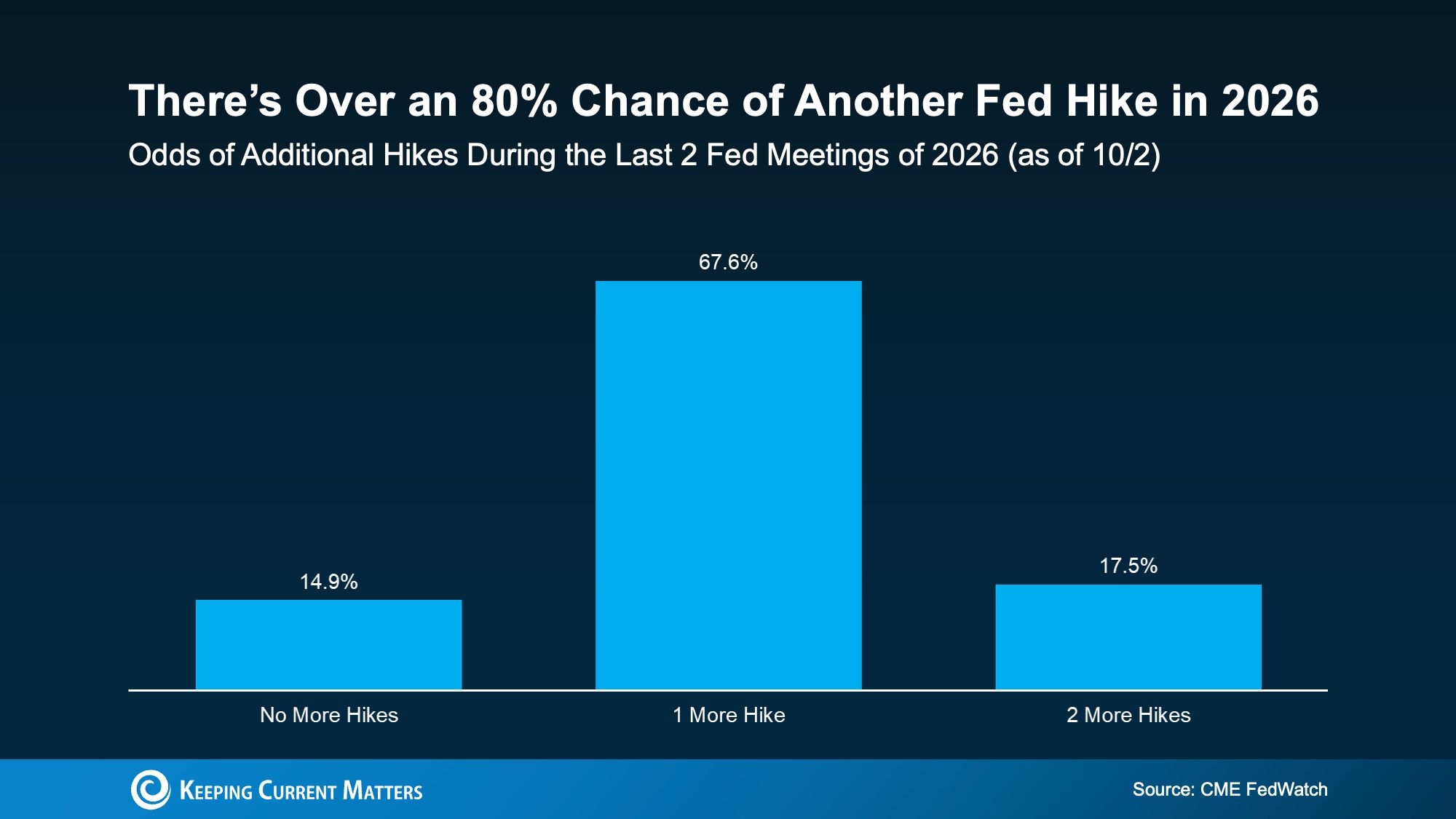
Keep in mind, the Federal Reserve doesn’t directly control mortgage rates. However, another rate increase could add upward pressure in the near term. Does that mean you should put your real estate plans on hold and wait for rates to improve? Sam Williamson, Senior Economist at First American, offers this perspective:
“Stronger action by the Federal Reserve could eventually bring greater stability to the bond market and create opportunities for mortgage rates to decline. However, that depends on investors gaining confidence that inflation is being brought under control.”
There are already encouraging signs that inflation may be easing. In August, inflation slowed more than economists anticipated, offering some hope for the months ahead: -
- PCE inflation declined to 3.4%, compared to 3.7% in July.
- Core PCE which excludes volatile food and energy prices and is closely watched by the Fed, dropped to 3%, down from 3.3% the previous month.
That’s encouraging progress, and it helps explain why expectations for a rate hike at the Fed’s October meeting have recently eased. However, inflation remains above the Fed’s 2% target, where it has been for roughly five years. That means meaningful relief in mortgage rates may not happen overnight. Rather than waiting for rates to drop, the smarter approach is to build a real estate strategy that makes financial sense in today’s market.
Smart Strategies for Making Your Move in Today’s Market
Rising interest rates may not be the news you were hoping for, but they don’t have to put your real estate plans on hold. With the right approach, there are still opportunities to make a move in today’s market.
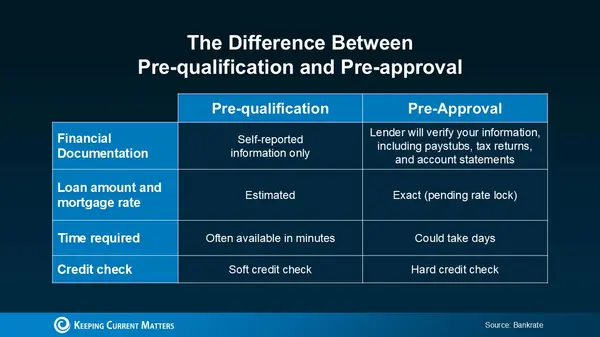
- If you’re buying: Start by getting pre-approved to understand what you can comfortably afford. Talk with your lender about strategies to secure the most competitive mortgage rate available. Once you're under contract, consider locking in your rate to protect yourself from potential increases before closing.
- If you’re selling: Identify your biggest priority. Are you looking to sell quickly or maximize your sale price? Your answer will help shape your strategy. Pricing your home competitively is especially important when higher rates are stretching buyers' budgets. You might also consider offering incentives, such as a mortgage rate buydown or closing cost assistance, which could provide buyers with greater financial relief than a traditional price reduction.
Bottom Line
While the Federal Reserve doesn’t directly control mortgage rates, its decisions can influence where they’re headed. With additional rate hikes possible and no guarantee of lower mortgage rates anytime soon, waiting may not be the best strategy. Whether you’re buying or selling, the key is making informed decisions based on today’s market. Connect with a local real estate agent to create a plan that aligns with your goals and puts you in the best position to succeed.
Categories
Recent Posts

GET MORE INFORMATION
