

The Mortgage Rate You See Isn’t Always the Rate You’ll Get

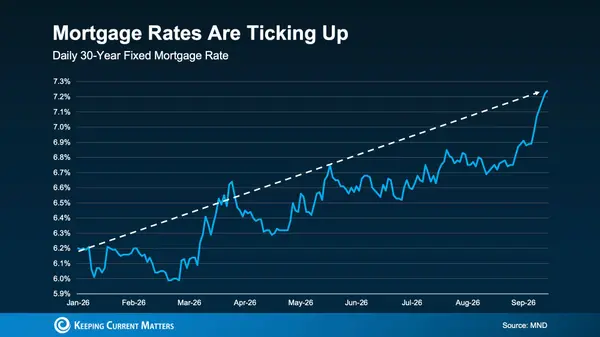
You may have seen headlines that mortgage rates have climbed to their highest level since January 2025. And if that has you thinking twice about buying a home, here’s something important to keep in mind…
That may not be the rate you’d actually get.
It’s easy to assume the mortgage rate you see in the headlines is the same rate you’ll be offered when you buy. But rates change frequently, and the rate you actually qualify for can be quite different from the numbers you see online or hear about in the news.
What Determines the Rate You’ll Actually Get?
The rates you see advertised aren’t always the rates you’ll actually qualify for. Your mortgage rate is based on your unique financial situation, loan details, and goals—factors that headline rates simply can’t account for.
That’s why the best way to know what rate you may qualify for is to talk with a lender. They’ll look at several factors specific to you, including:
- Your credit score: Your credit score reflects things like your payment history, how much available credit you’re using, and how long you’ve had credit. Generally, a stronger credit profile can help you qualify for a more favorable rate.
- Your debt-to-income ratio (DTI): Your DTI compares your monthly debt payments to your monthly income before taxes. A lower DTI can make you a stronger borrower and may help you secure better loan terms.
- Your down payment and loan-to-value (LTV): How much you put down affects how much you need to borrow. Your LTV compares the amount of your mortgage to the home’s value, and it can play a role in the rate and terms available to you.
- Your loan type and term: Conventional, FHA, VA, and other loan programs can come with different rates and requirements. Your loan term can matter too, so your loan officer can help you compare the options you qualify for.
Even after you find the right home, there are still a few other factors that can influence the mortgage rate you’re offered. For example:
- A mortgage rate buydown: A buydown lets you pay an upfront cost to secure a lower mortgage rate, which can reduce your monthly payment. In some cases, the seller or builder may offer to cover that cost as an incentive to make the deal more attractive.
- Seller concessions: Depending on the loan program, sellers may be able to contribute toward a buyer’s closing costs. Those savings could free up cash to increase your down payment, pay down debt, or make other financial moves that may help you qualify for better loan terms.
A number of factors can ultimately influence the mortgage rate you qualify for.
Your First Move? Get Pre-Approved.
If you want to know how your mortgage rate compares to the numbers you’re seeing online, start with a lender. A quick conversation can give you a clearer picture of what you qualify for, how much you can afford, and the rate you may actually be offered.
Your lender may suggest starting with either a pre-qualification or pre-approval:
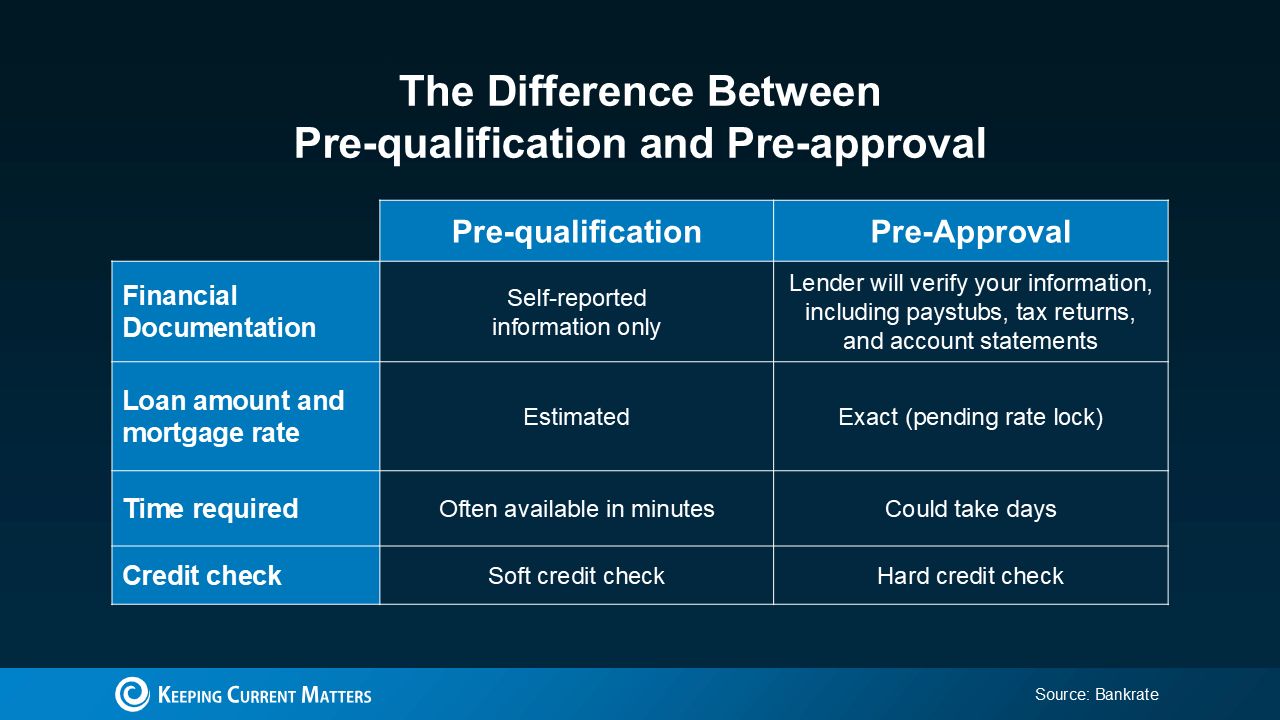
- Pre-qualification gives you a general idea of how much you may be able to borrow based largely on the financial information you provide.
- Pre-approval goes a step further. The lender reviews and verifies your financial information to determine how much they may be willing to lend, subject to certain conditions.
Of the two, pre-approval typically gives you a clearer and more accurate picture of your buying power than pre-qualification. Bankrate breaks down the key differences and why they matter:
What To Have Ready Before You Talk to a Lender
Ask your lender what documents you should have ready before you get started. And while you’re talking, consider asking a few questions that can help you better understand your options:
- What are the potential pros and cons of buying now versus waiting 3, 6, or 12 months?
- Are there potential tax benefits to owning a home, and which ones might apply to me?
- How could buying now and beginning to build equity compare financially with waiting?
- How would mortgage rates moving higher or lower affect my monthly payment and overall buying power?
Once you know the rate you may qualify for, you’ll have a much clearer picture of your next move. Buying now may make sense, or waiting may be the better fit. Either way, you’ll understand your options and have the information you need to make the right decision for you.
Bottom Line
The mortgage rates you see in headlines or on social media don’t always tell the full story. The rate you actually qualify for depends on your finances, loan options, and individual situation.
The best way to know where you stand is to connect with a trusted lender. Once you understand the rate and terms available to you, you’ll have a much clearer picture of your buying power—and whether now is the right time to make a move.
Categories
Recent Posts




GET MORE INFORMATION
