

Why That Home Sitting on the Market Might Be Worth a Second Look
When a home has been sitting on the market, the reaction is almost automatic.
- What’s wrong with it? Why hasn’t it sold? What am I missing?
That thinking made sense a few years ago—but in today’s market, it can cause buyers to overlook real opportunities.
Longer time on market isn’t automatically a red flag anymore.
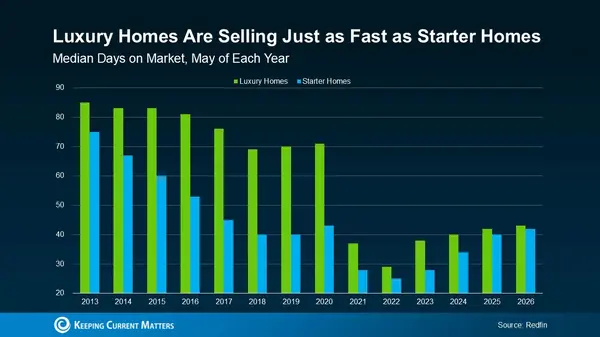
Just a few years ago, homes were selling in days—sometimes even hours—and anything that lingered sparked concern. That pace is no longer the norm.
Inventory has increased, buyers have more options, and homes are simply taking longer to sell across the board. That’s why the typical time it takes to sell a home has risen this year:
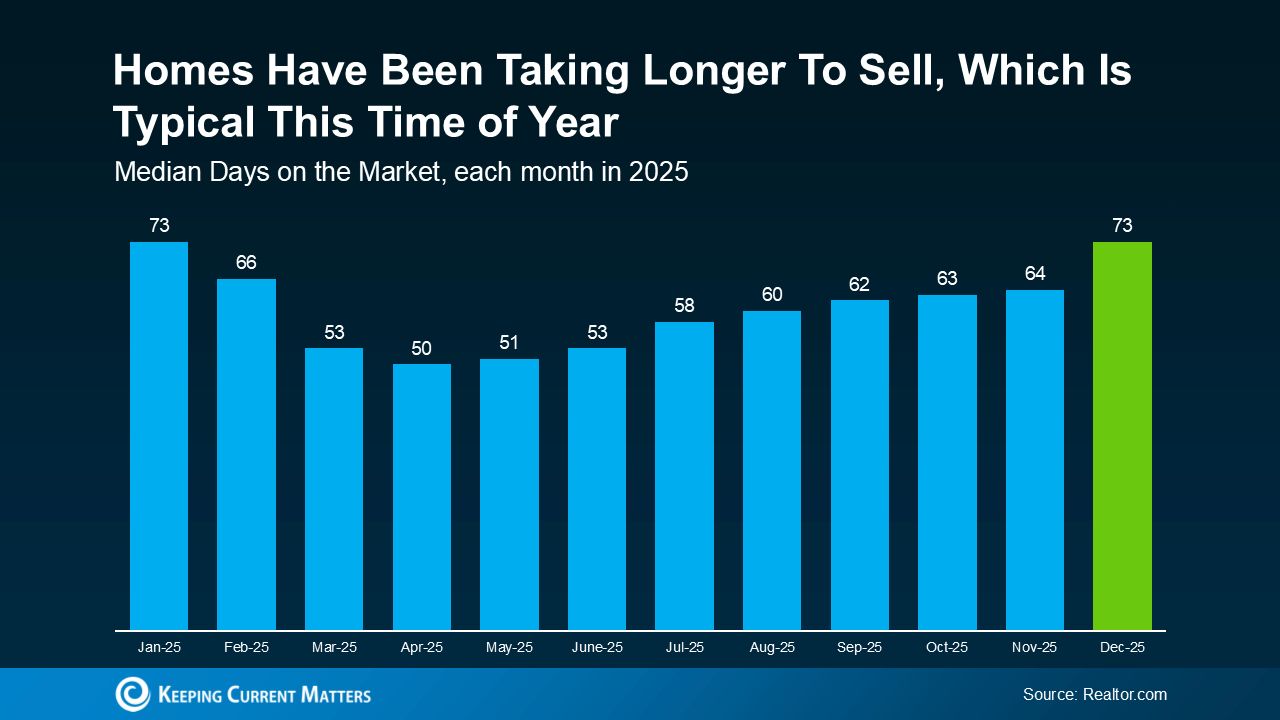
And 73 days isn’t actually slow—it’s fairly typical for this time of year. It only feels slow because the buying frenzy of a few years ago reset expectations.
That shift explains much of what we’re seeing now. In many cases, there’s nothing wrong with the home itself—though, to be fair, sometimes there is.
Today, a longer time on market usually comes down to a few practical factors:
- Higher inventory in that neighborhood
- A price that started a bit high
- Online photos that didn’t do it justice
- Buyers distracted by flashier options close by
- Timing that simply didn’t line up at launch
On their own, none of these should rule a home out.
What Buyers Often Misunderstand About These Listings
Many buyers assume that if a home hasn’t sold, it must have hidden problems. In reality, that’s often not the case. And when there are issues, they typically surface quickly during an inspection.
That information becomes leverage—not a reason to walk away automatically. In fact, this is often where the best opportunities emerge.
The real advantage comes from knowing which long-on-market homes deserve a second look and which don’t. That’s where a local agent adds real value—reviewing disclosures, spotting patterns, and helping uncover opportunities other buyers overlook.
Bottom Line
A home that’s been on the market longer than expected isn’t automatically a red flag. In many cases, it’s simply an opportunity other buyers overlooked.
The key is knowing how to tell the difference. If you want help identifying which homes are worth a second look—and which ones are best left behind—working with a knowledgeable local agent can make all the difference.
{ "@context": "https://schema.org", "@type": "FAQPage", "mainEntity": [ { "@type": "Question", "name": "When a home’s been sitting on the market for a while, what’s the first reaction most buyers have?", "acceptedAnswer": { "@type": "Answer", "text": "Most buyers immediately wonder, “What’s wrong with it?” or “Why hasn’t it sold?” That reaction made sense during the ultra-fast markets of 2020–2022, but today’s real estate landscape is very different. Homes simply take longer to sell now, even when they’re great properties." } }, { "@type": "Question", "name": "Why are homes staying on the market longer these days?", "acceptedAnswer": { "@type": "Answer", "text": "It comes down to a few shifts—higher inventory, more cautious buyers, and a slower overall pace. The typical home now takes around 70–75 days to sell, which is normal for the current market. It just feels slow because the sell-in-a-weekend days reset expectations." } }, { "@type": "Question", "name": "Should buyers assume there’s something wrong with a home that hasn’t sold quickly?", "acceptedAnswer": { "@type": "Answer", "text": "Not necessarily. In most cases, it’s not about major flaws—it’s about timing or presentation. Sometimes the price started too high, photos didn’t capture the space well, or competing listings drew attention away when the home first launched." } }, { "@type": "Question", "name": "Can a longer time on market work in a buyer’s favor?", "acceptedAnswer": { "@type": "Answer", "text": "Absolutely. Sellers of homes that have been listed longer are often more open to negotiation, especially after price adjustments or extended time without offers. That flexibility can translate into better terms or pricing for buyers." } }, { "@type": "Question", "name": "What should buyers look for when considering one of these homes?", "acceptedAnswer": { "@type": "Answer", "text": "Buyers should look at price reductions, recent updates, staging improvements, and inspection details. A knowledgeable real estate agent can also review neighborhood trends to determine whether market conditions—not the home itself—are driving the longer time on market." } }, { "@type": "Question", "name": "Could there ever be real red flags with a long-on-market home?", "acceptedAnswer": { "@type": "Answer", "text": "Yes, occasionally. Structural issues, location challenges, or property-specific concerns can slow a sale, but these typically surface during the inspection process. With professional guidance, buyers can identify those risks early." } }, { "@type": "Question", "name": "Why is a local real estate agent’s insight especially valuable here?", "acceptedAnswer": { "@type": "Answer", "text": "Local agents understand neighborhood norms and can distinguish between a normal slow sale and a genuine concern. They also recognize overlooked opportunities, such as homes that need minor updates but offer strong long-term value." } }, { "@type": "Question", "name": "What’s the bottom line for buyers right now?", "acceptedAnswer": { "@type": "Answer", "text": "Buyers shouldn’t rule out a home just because it’s been on the market longer. In today’s environment, patience and the right guidance often uncover the best opportunities—and that overlooked listing could turn out to be the right fit." } } ] }
Categories
Recent Posts



GET MORE INFORMATION
