

Seller Concessions Explained: When Paying a Buyer's Closing Costs Makes Sense

A few years ago, sellers held most of the leverage and could often refuse nearly every buyer request.
No repairs.
No concessions.
No negotiation.
If buyers wanted a home, they often had to accept the seller's terms with little room for discussion. Today, however, with more homes on the market and buyers having additional options, negotiations are becoming a regular part of the transaction again.
That's why it's more important than ever for sellers to understand this:
The goal isn't to come out ahead in every negotiation. In many cases, being flexible can help keep a strong deal together and get your home sold more quickly.
One common area where that flexibility comes into play is buyer closing costs. Let's take a closer look at what that means and why it may come up during the sale of your home.
What Are Buyer Closing Costs?
Closing costs are the additional expenses buyers pay to complete a home purchase, beyond their down payment. According to Freddie Mac, these costs can include:
- Loan origination fees
- Appraisal and home inspection costs
- Title insurance and attorney fees
- Survey fees
- Other transaction-related expenses
Typically, buyers can expect closing costs to total about 2% to 5% of the home's purchase price. On a $400,000 home, that translates to roughly $8,000 to $20,000 due at closing.
In today's market, where affordability remains a challenge, coming up with that additional cash can be difficult—even for buyers who are comfortable with the monthly mortgage payment.
As a result, more buyers are asking sellers to help cover a portion of those costs to make the purchase work.
And More Sellers Are Agreeing To Help
Seller concessions are becoming increasingly common. In fact, Zillow reports that 67% of sellers contributed toward a buyer's closing costs in 2025 (see chart below).
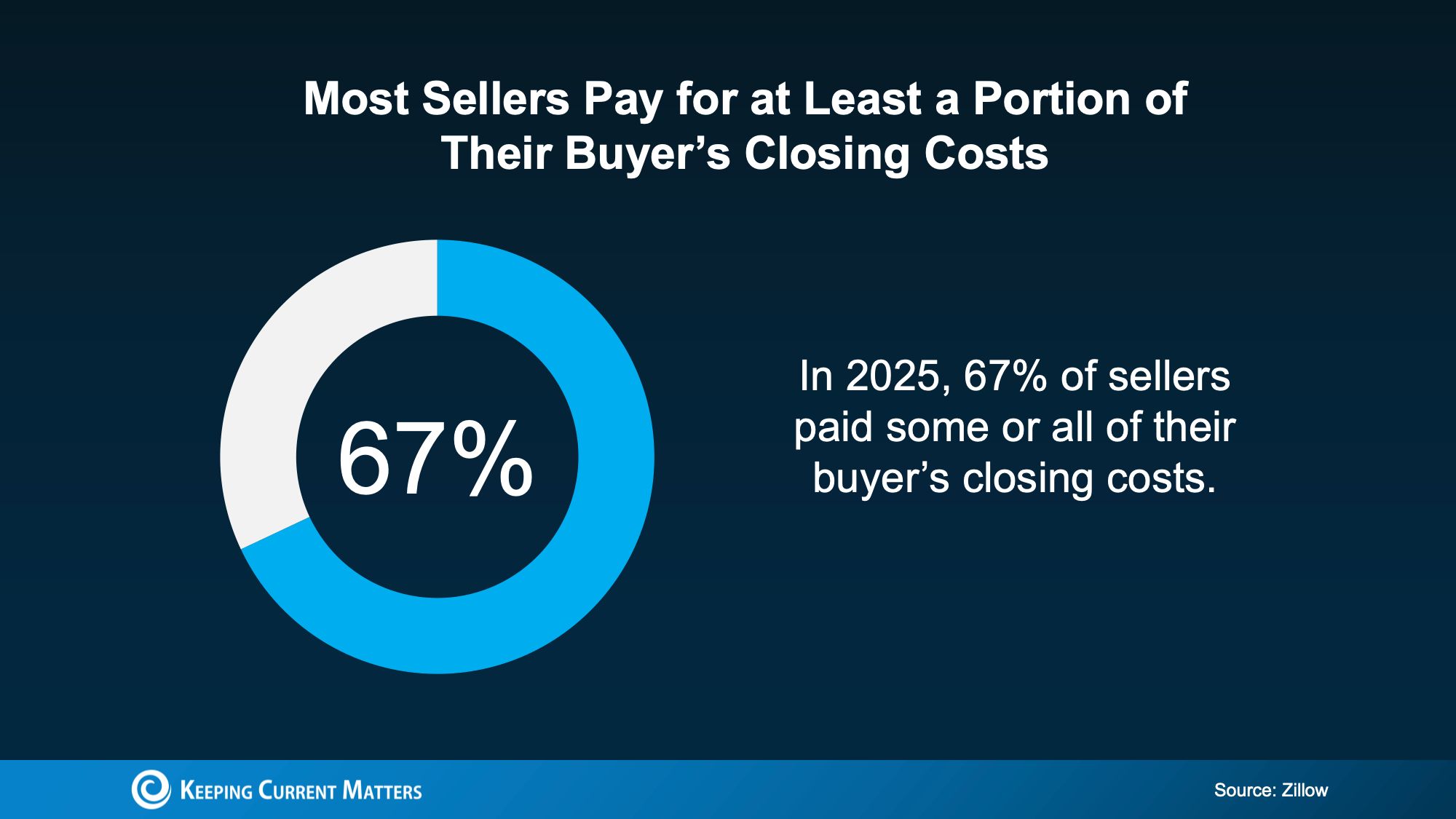
That doesn't mean every seller is offering concessions, nor does it mean it's the right strategy for every situation. But it does highlight an important trend: as the market has become more balanced, seller concessions have become much more common. That's something every seller should be aware of.
When Helping With Closing Costs Can Be a Smart Move
Many sellers hear "closing cost assistance" and immediately think, "Why should I pay the buyer's expenses?" But that's not always the best way to view it.
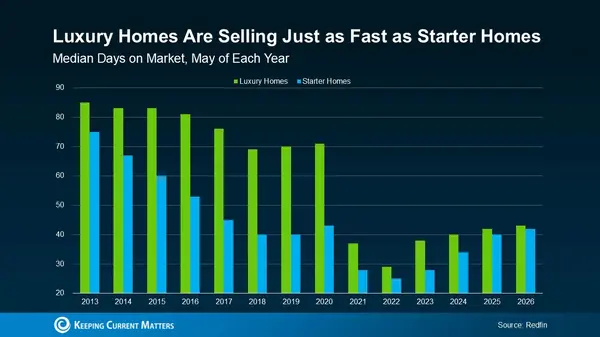
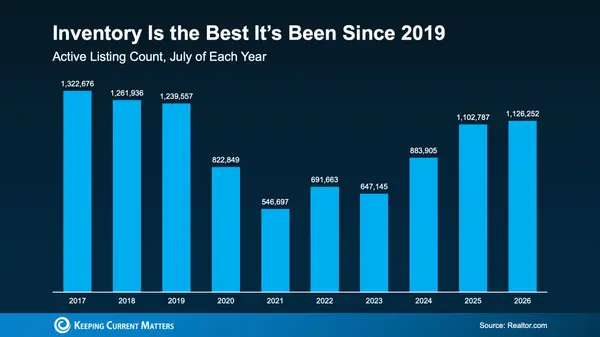
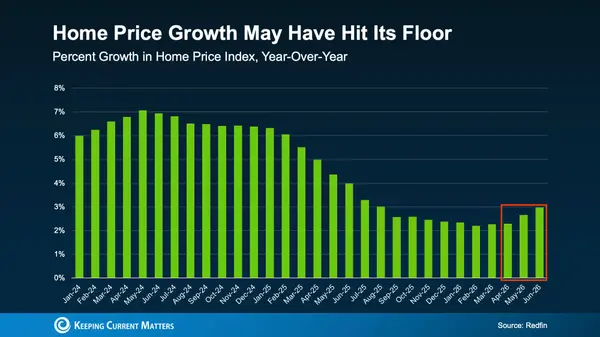
The reality is that negotiating power has shifted. As inventory has grown and buyers have gained more options, sellers are finding that strategic concessions can help attract offers and keep transactions moving forward. Recent Redfin data illustrates just how much the market has changed (see graph below).
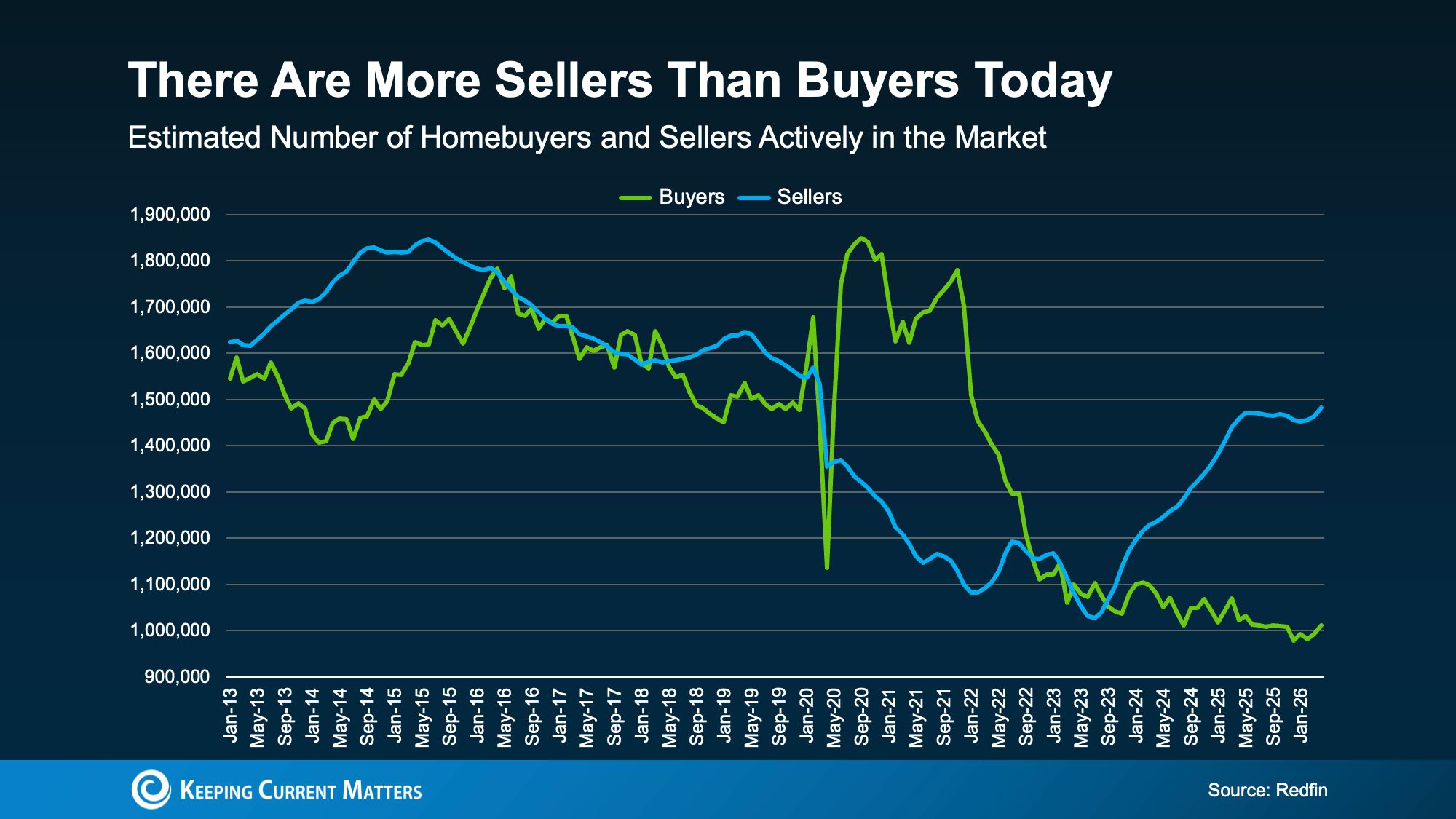
The market isn't the same everywhere. In some areas, homes are still selling quickly and sellers continue to have the upper hand. In others, buyers have gained more negotiating power than they've had in years.
That's why understanding your local market is so important. The right approach depends on the level of competition, buyer demand, and inventory in your area—not just national trends.
For example, offering assistance with closing costs may make sense if:
- Inventory is increasing and buyers have plenty of options in your area
- Your home has been on the market longer than anticipated
- You're getting showings but not receiving offers
- A quick sale is a priority for your situation
- A closing cost concession could help move negotiations forward and keep a deal from falling apart
In situations like these, a relatively small concession can sometimes make the difference between continuing to market the home and getting to the closing table.
Other Seller Concessions To Consider
Being flexible doesn't mean agreeing to every buyer request. It means knowing which concessions can help you achieve your goals and move the sale forward. And remember, there are often multiple ways to reach the same outcome.
If contributing toward closing costs isn't the right fit, Redfin notes that sellers can consider other concessions that may be just as appealing to buyers, such as:
- Providing a home warranty
- Offering a repair credit
- Being flexible with the closing timeline
- Including certain appliances, furniture, or other personal property with the sale
The best strategy depends on local market conditions, buyer expectations, and your personal goals. That's why having an experienced local real estate agent by your side can make all the difference.
Bottom Line
The sellers seeing the best results in today's market are the ones who recognize changing conditions and adjust their strategy accordingly.
In some cases, that may mean helping with a buyer's closing costs. In others, a different concession—or no concession at all—may be the better choice. The key is understanding what buyers in your local market expect and which negotiations are most likely to help you achieve your goals.
If you're preparing to sell and want to know what's common in your area, where buyers are finding leverage, and when it makes sense to hold your ground, working with a knowledgeable local agent can help you make informed decisions every step of the way.
Categories
Recent Posts



GET MORE INFORMATION
