

What to Expect in the Housing Market for the Rest of 2026

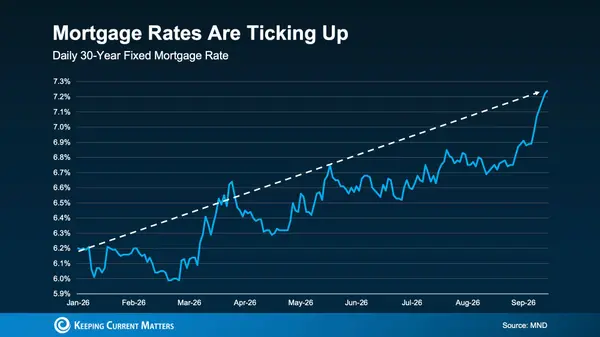
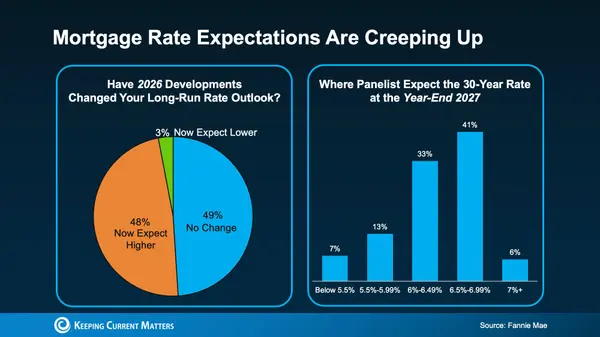
If the first half of 2026 has felt frustrating, you're certainly not alone. Mortgage rates remained higher than many hoped. Affordability stayed challenging. And global uncertainty created even more hesitation for buyers and sellers.
That's why so many people are asking the same question: Will the housing market improve during the second half of the year?
While no one can predict the future with certainty, there are several encouraging signs that conditions may begin moving in a more favorable direction. Here's what to watch.
Mortgage Rates May Be Ready to Shift Lower
One of the main reasons mortgage rates have remained elevated is persistent inflation. Higher energy costs and ongoing global uncertainty have helped keep inflation from cooling as quickly as many hoped. The good news?
Oil prices have already begun to decline.
That may not seem connected to the housing market, but historically, mortgage rates and oil prices have often moved in the same direction.
Take a look at the chart below. In general, mortgage rates and oil prices have tended to move together. Both climbed after the conflict began earlier this year. While there has been some short-term volatility, the U.S. Energy Information Administration (EIA) expects oil prices to continue easing. If that trend holds, mortgage rates could gradually follow.
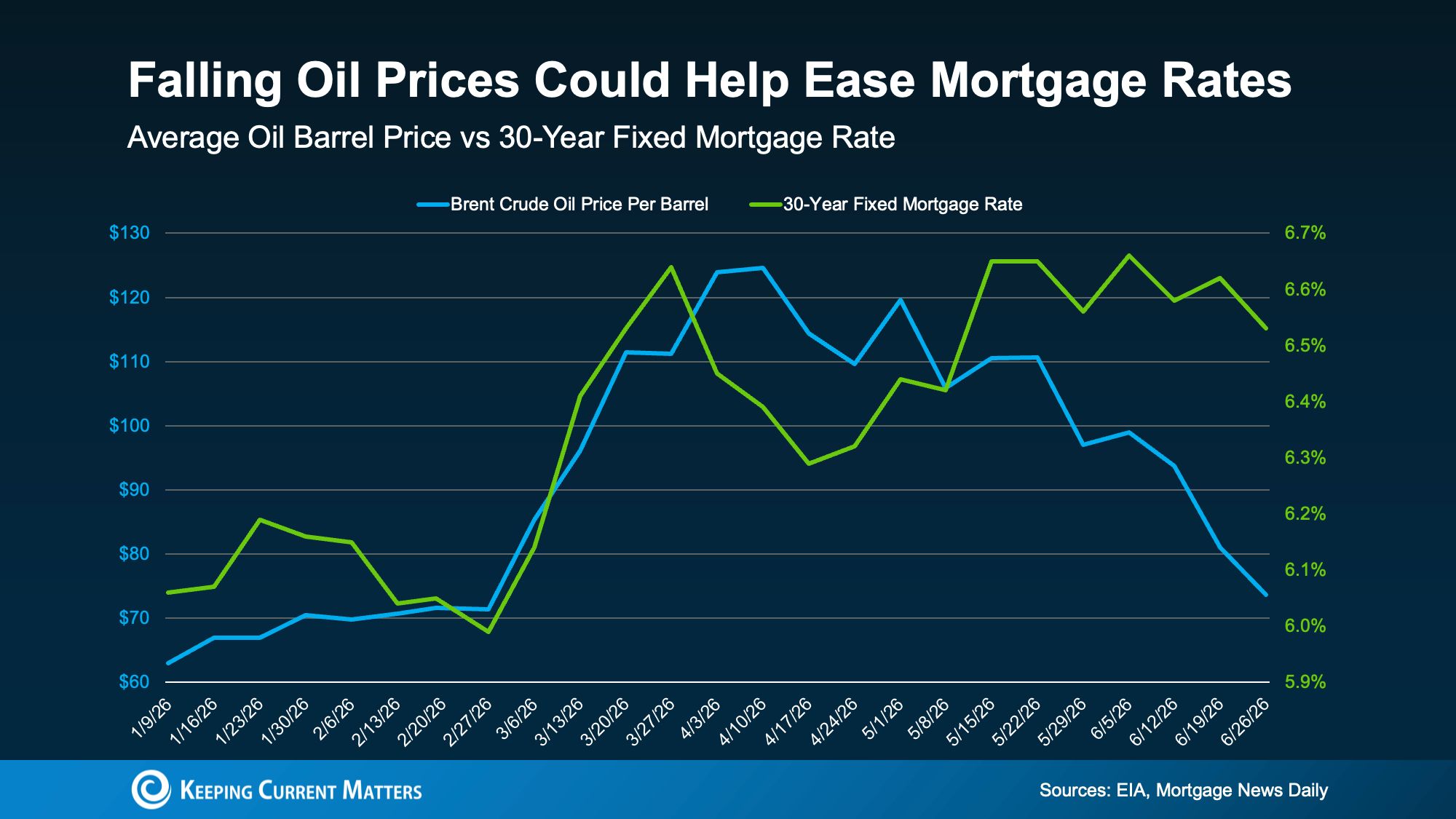
It’s too soon to say exactly when that will happen (or by how much they’ll fall), but if energy prices go down, inflation cools off, and tensions overseas ease, mortgage rates could come down in the second half of the year.
It’s still too early to know exactly when mortgage rates will decline—or how far they may fall. But if energy costs continue easing, inflation moves lower, and global tensions settle, rates could improve during the second half of the year.
That would be welcome news for anyone considering a move. The first half of the year required patience. The second half could finally begin to reward it.
Home Prices May Begin Climbing Again
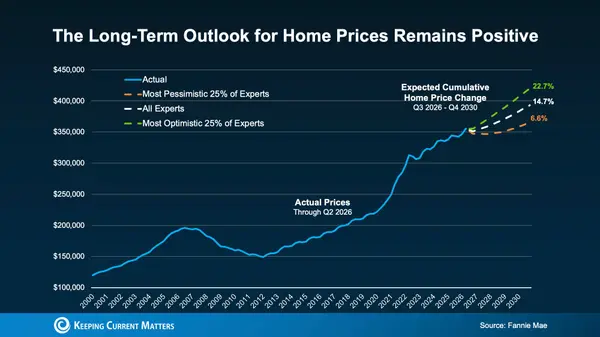
Many people are hoping home prices will come down, but that's not what most forecasts are predicting.
While market conditions will vary by location—and some areas may experience modest price declines— experts still expect home prices to post overall gains nationwide by the end of the year.
In fact, experts forecast home prices will increase by an average of 2.3% in 2026 (see the chart below).
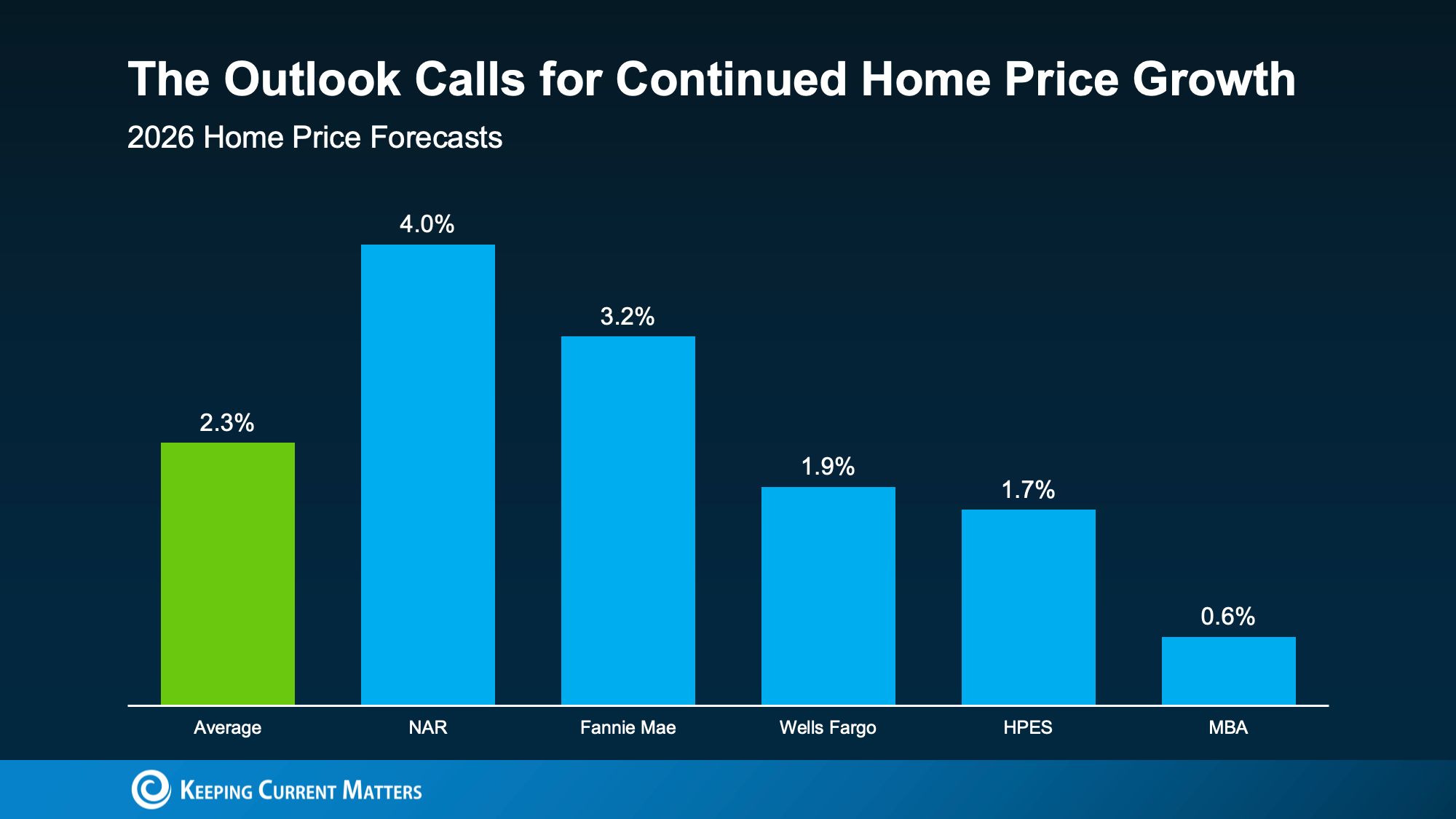
What does that mean for buyers and sellers? According to the Federal Housing Finance Agency (FHFA), home prices are already up about 1.7% nationally compared to a year ago. The average forecast for all of 2026 calls for 2.3% growth.
Based on those forecasts, home price appreciation would likely need to accelerate modestly during the second half of the year. Not by much—just enough to finish 2026 with the projected 2.3% annual increase.
Here's why that could happen.
Inventory has been growing, but that pace may be starting to slow. If mortgage rates improve, more buyers could reenter the market. Increased buyer demand, combined with slower inventory growth, could place modest upward pressure on home prices.
That's why buyers shouldn't assume waiting will automatically lead to lower home prices. And for sellers, it's an encouraging sign that home values are expected to remain resilient.
More Homes May Change Hands This Year
The housing market has been moving at a slower pace than many expected this year. Even so, the desire to buy and sell hasn't gone away.
Many buyers and sellers are still on the sidelines, waiting for mortgage rates to improve, affordability to ease, and market conditions to become more predictable. The good news is that those changes may finally be starting to take shape.
If mortgage rates begin to ease and consumer confidence strengthens, more buyers and sellers could finally move forward with their plans. As Odeta Kushi, Deputy Chief Economist at First American, explains:
“Demand from buyers and sellers who have been waiting on the sidelines is expected to return gradually. However, the pace of the recovery will differ from one market to another, depending on mortgage rates, local job market conditions, and the supply of homes for sale.”
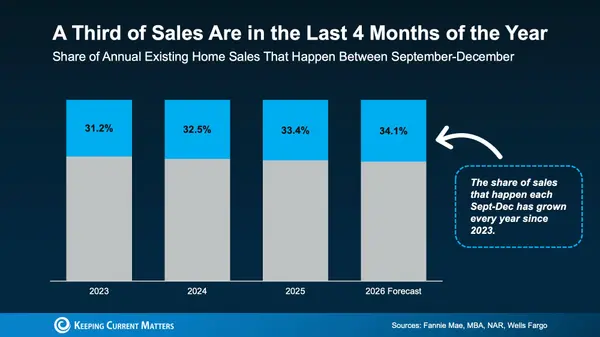
Based on current forecasts, home sales would need to gain momentum during the second half of the year to reach the projected annual total. In other words, the second half of 2026 would need to outperform the first (see the chart below).
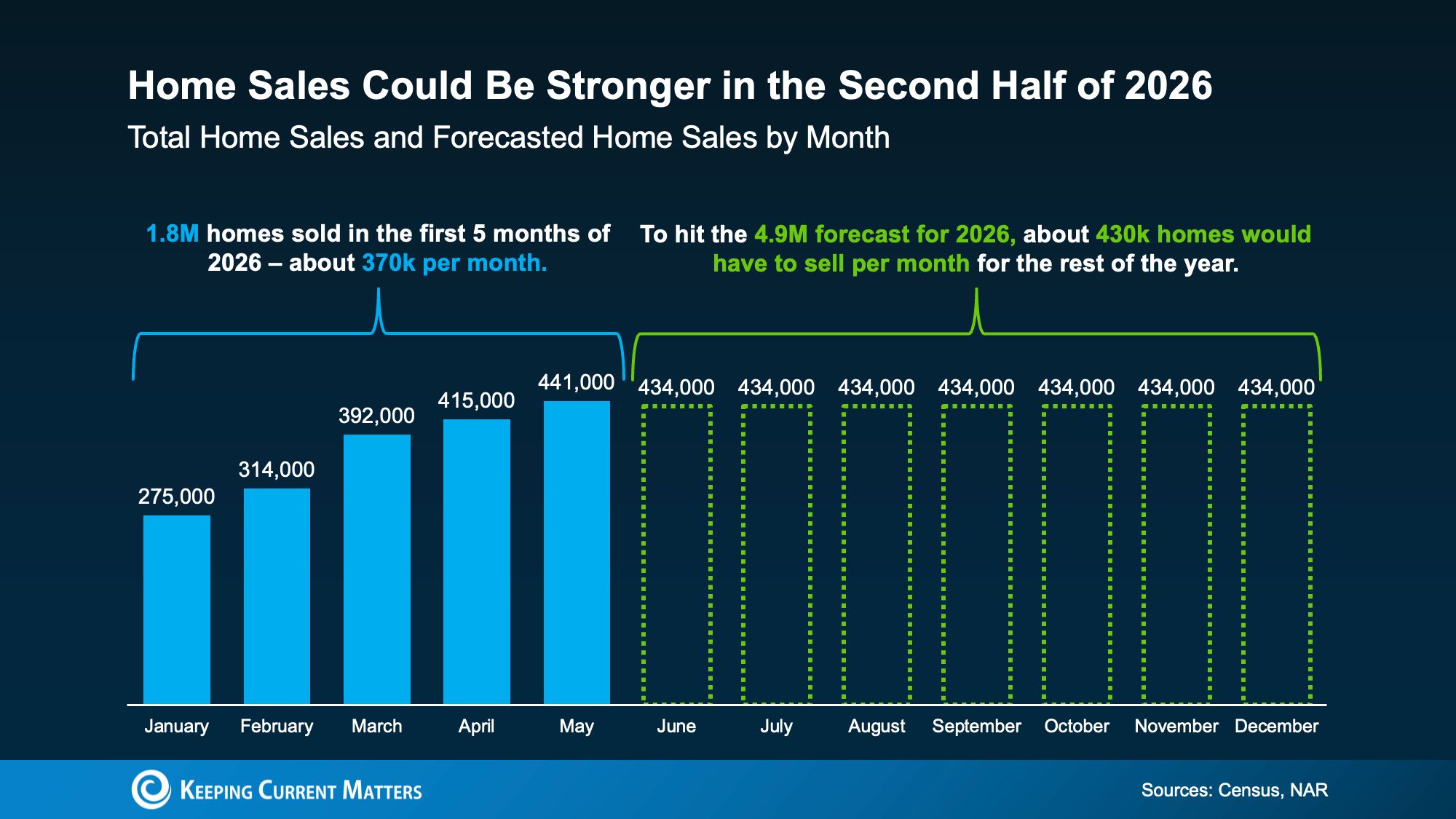
In fact, to reach this year's projected sales total, each remaining month of 2026 would need to come close to matching the strongest month we've seen so far—May. That suggests experts expect housing activity to build momentum as the year progresses.
As market conditions improve, more buyers and sellers are expected to move forward with their plans. If you've been waiting for the right time, the second half of the year could present new opportunities.
Bottom Line
The second half of 2026 may not solve every challenge facing the housing market, but the outlook is becoming more encouraging.
Mortgage rates could begin to ease, home sales are expected to gain momentum, and home prices are projected to continue appreciating at a steady, sustainable pace. While no forecast is guaranteed, several key indicators suggest market conditions may improve in the months ahead.
If you're thinking about buying or selling, now is a great time to understand how these trends could affect your plans. A local real estate agent can help you make sense of what's happening in your market and determine the best strategy for your goals.
Categories
Recent Posts

GET MORE INFORMATION
