

You Can’t Control Rates—But You Can Control This

Mortgage rates have been moving around lately, making it tougher to plan if you’re thinking about buying. The good news? There are still ways to secure a strong rate in today’s market—and it starts with the right information.
So what’s driving the swings, and how can you stay ahead of them? Let’s break it down.
Mortgage Rate Swings Are Normal
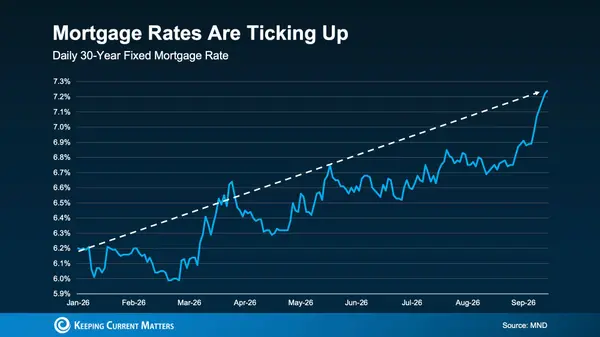
Data from Freddie Mac highlights the recent volatility. After declining for over a year, rates saw an uptick this month (see graph below):
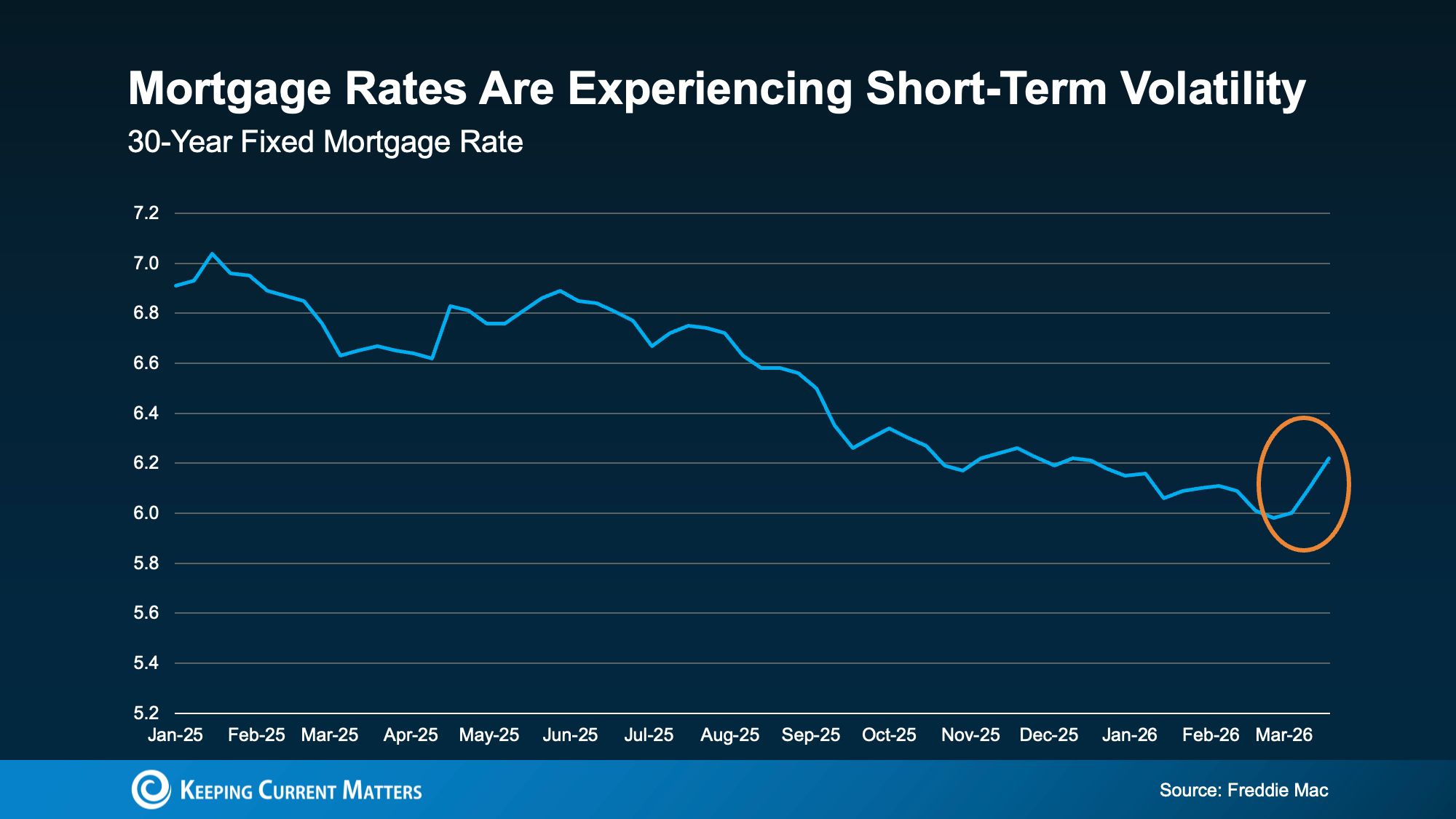
It’s easy to get caught up in the day-to-day changes, but here’s what matters: some movement in rates is completely normal.
If you look back at the graph, you’ll see similar short-term increases over the past year. We’re in one of those periods right now—and it’s important to recognize that.
Periods of economic uncertainty or major global events often bring this kind of volatility—it’s expected. As Investopedia explains:
“Mortgage rates don’t move in isolation. When global events create uncertainty in financial markets, it can ripple into borrowing costs… mortgage rates can react quickly to geopolitical developments. As long as uncertainty stays elevated, rate swings may continue.”
That’s exactly why trying to time the market isn’t a smart strategy.
You can’t control where mortgage rates go—but you can take steps to position yourself for the best rate possible in today’s market. Here’s where to focus.
Your Score, Your Rate
Your credit score is a major factor in the rate you qualify for—and even a small boost can lower your monthly payment. As Bankrate explains:
“Your credit score is one of the most important factors lenders consider when you apply for a mortgage… generally, the higher your score, the lower your interest rate and the better your loan terms.”
Take steps to keep your credit score as strong as possible. If you’re unsure where it stands or how to improve it, connect with a trusted loan officer for guidance.
Your Loan Option
There are several types of home loans, and each comes with its own requirements, benefits, and potential rates. As the Consumer Financial Protection Bureau (CFPB) explains:
“There are broad categories of mortgage loans—such as conventional, FHA, USDA, and VA. Each has different eligibility criteria, and rates can vary significantly depending on the loan type you choose.”
That’s why it’s important to review your options with a lender. You may also want to speak with more than one to compare how terms and rates differ.
Your Mortgage Term
The length of your loan also plays a key role. Most lenders offer 15-, 20-, or 30-year terms. As Freddie Mac explains:
“When choosing a home loan, consider the term—the time it takes to fully repay it. Your loan term impacts your interest rate, monthly payment, and the total interest paid over time.”
To determine what best fits your budget and long-term goals, have a lender walk you through your options.
Bottom Line
If you’re thinking about buying, remember—you can’t control where mortgage rates go next.
What you can control is how prepared you are. Work with a trusted lender, take the right steps, and position yourself for the best rate possible.
When you’re ready, connect with an agent and a lender to move forward with confidence.
{ "@context": "https://schema.org", "@type": "FAQPage", "mainEntity": [ { "@type": "Question", "name": "Is mortgage rate volatility normal?", "acceptedAnswer": { "@type": "Answer", "text": "Yes. The article explains that mortgage rate volatility is normal, especially during periods of economic uncertainty or major global events. Mortgage rates do not move in isolation, and short-term swings are a common part of the market." } }, { "@type": "Question", "name": "Why have mortgage rates been moving around lately?", "acceptedAnswer": { "@type": "Answer", "text": "According to the article, mortgage rates can rise or fall in response to economic uncertainty, financial market reactions, and global events. These outside forces can quickly affect borrowing costs, including mortgage rates." } }, { "@type": "Question", "name": "Is trying to time the mortgage market a smart strategy?", "acceptedAnswer": { "@type": "Answer", "text": "No. The article suggests that trying to time the market is not a wise move because buyers cannot control where mortgage rates go next. Instead, it recommends focusing on the factors buyers can control to improve their position." } }, { "@type": "Question", "name": "How does your credit score affect your mortgage rate?", "acceptedAnswer": { "@type": "Answer", "text": "Your credit score plays a major role in the rate you qualify for. The article notes that even a small improvement in your score can make a noticeable difference in your monthly payment, and higher scores typically lead to lower interest rates and better loan terms." } }, { "@type": "Question", "name": "What should you do if you are not sure about your credit score or how to improve it?", "acceptedAnswer": { "@type": "Answer", "text": "The article recommends speaking with a trusted loan officer. A lender can help you understand your current credit position and identify steps you can take to strengthen your score before applying for a mortgage." } }, { "@type": "Question", "name": "Do different loan types have different mortgage rates?", "acceptedAnswer": { "@type": "Answer", "text": "Yes. The article explains that loan options such as conventional, FHA, USDA, and VA loans each have different eligibility requirements, benefits, and rates. The loan type you choose can significantly affect the rate you receive." } }, { "@type": "Question", "name": "How does your loan term affect your mortgage?", "acceptedAnswer": { "@type": "Answer", "text": "The length of your loan, such as 15, 20, or 30 years, affects your interest rate, monthly payment, and the total amount of interest you will pay over the life of the loan. The article encourages buyers to review these options carefully with a lender." } }, { "@type": "Question", "name": "What is the best mindset for buyers when mortgage rates are unpredictable?", "acceptedAnswer": { "@type": "Answer", "text": "The article recommends focusing on what you can control instead of worrying about where rates may go next. That includes improving your credit, exploring loan options, reviewing loan terms, and working with a trusted lender and real estate agent to build the right plan." } } ] }
Categories
Recent Posts

GET MORE INFORMATION
